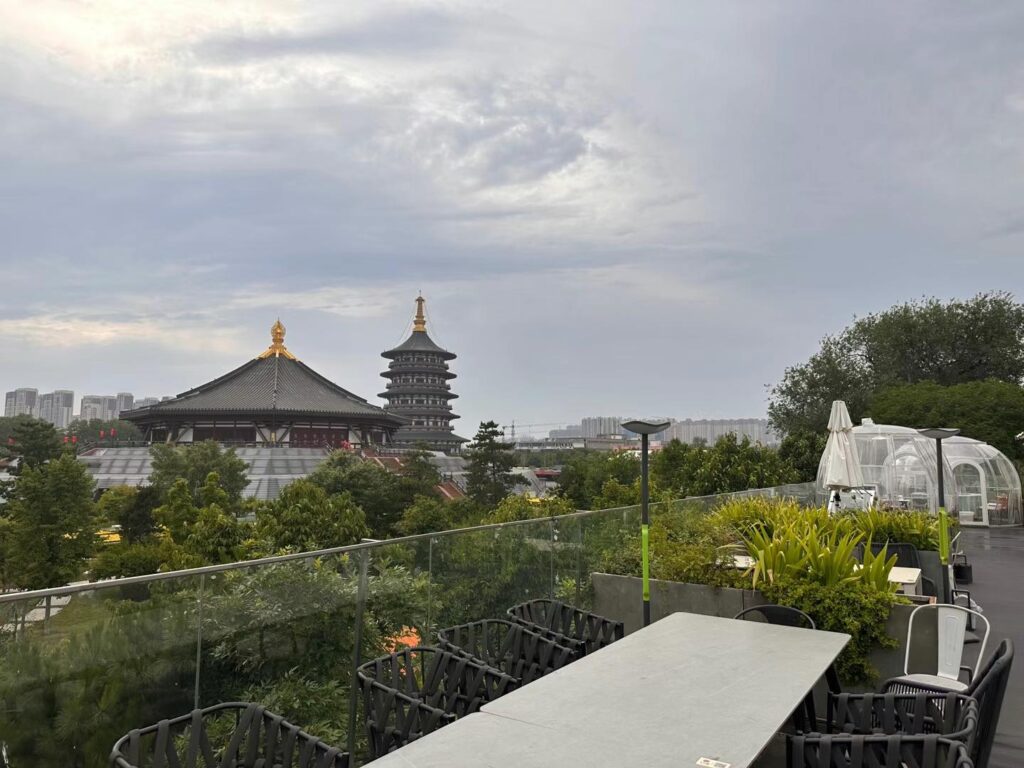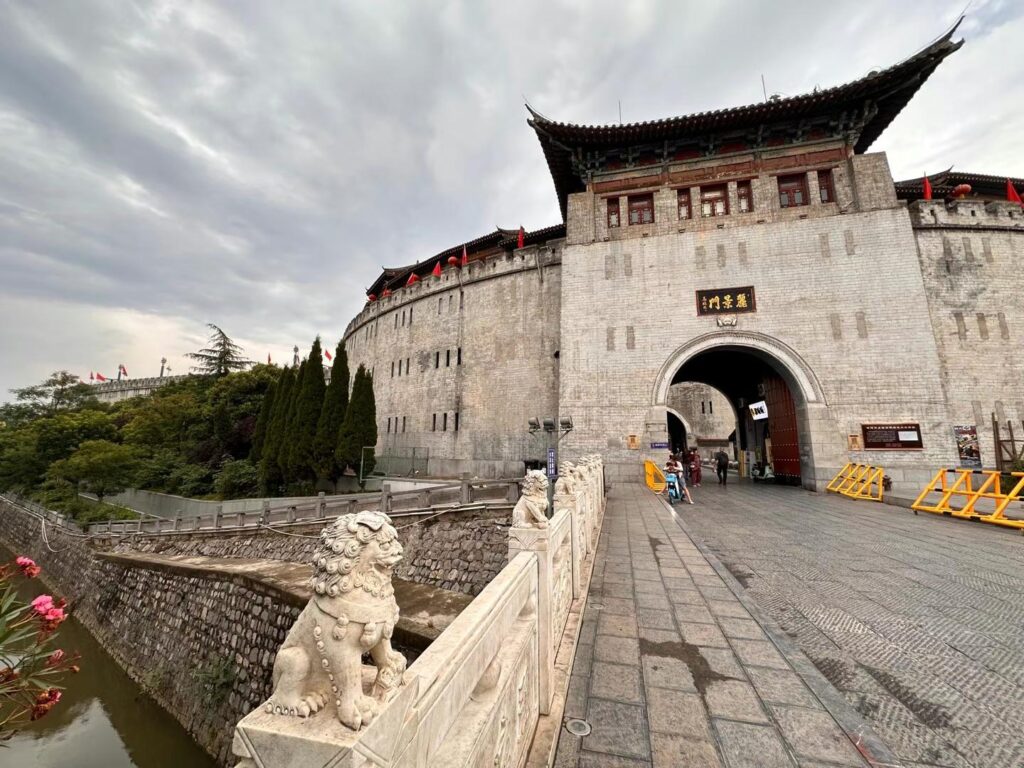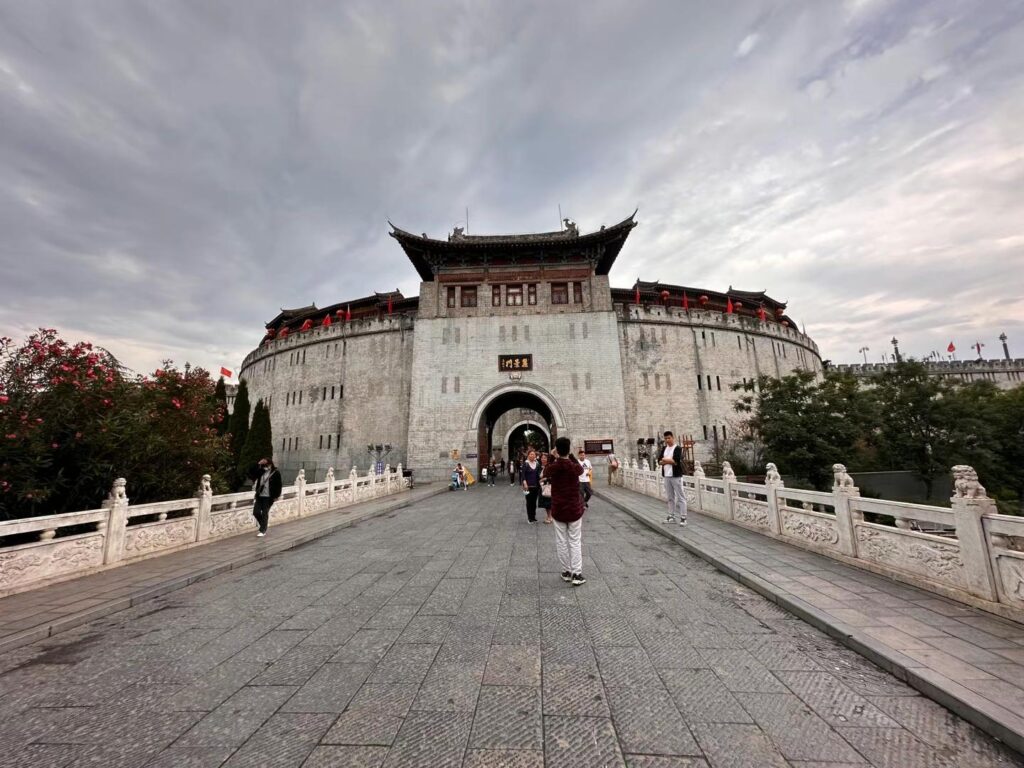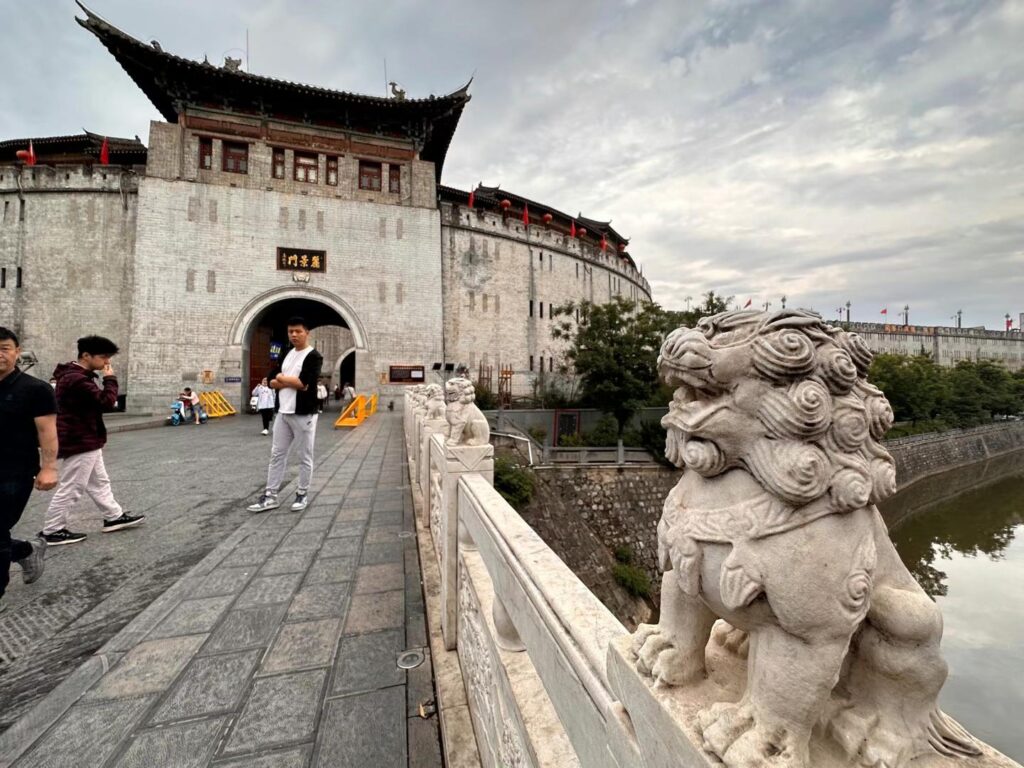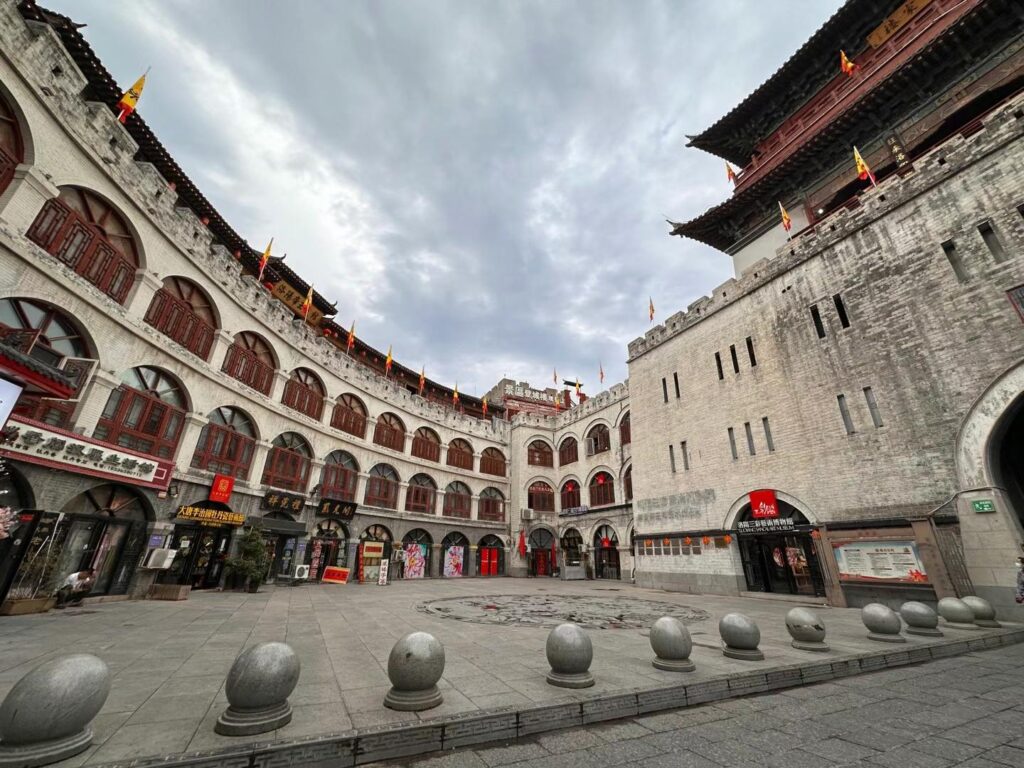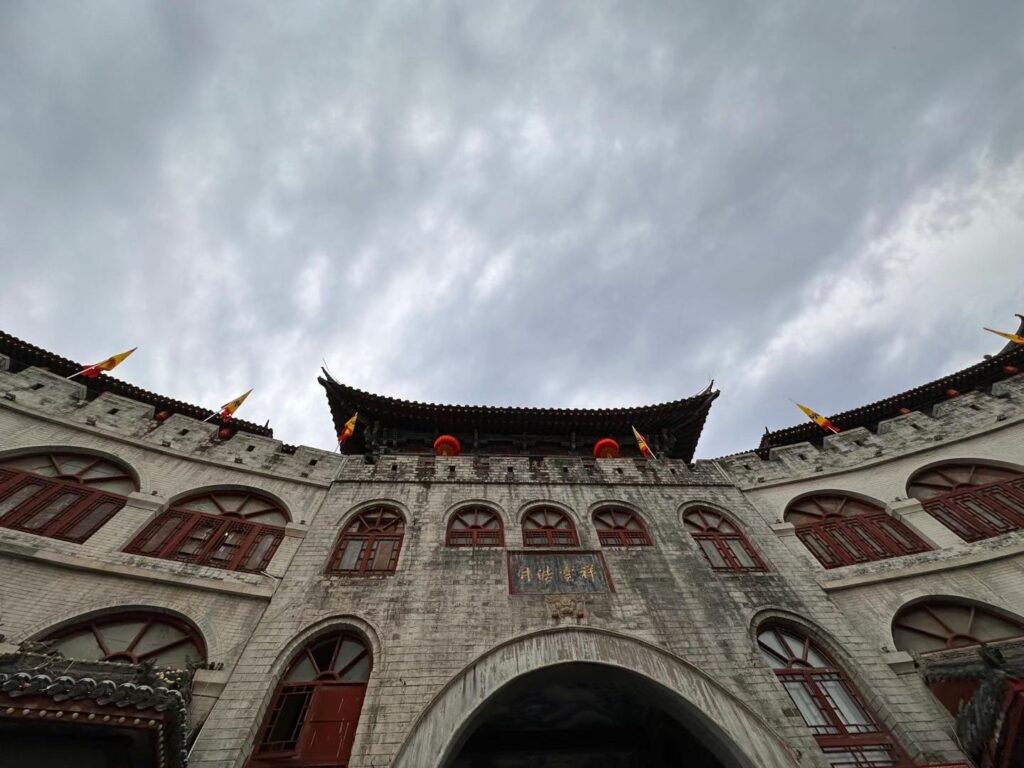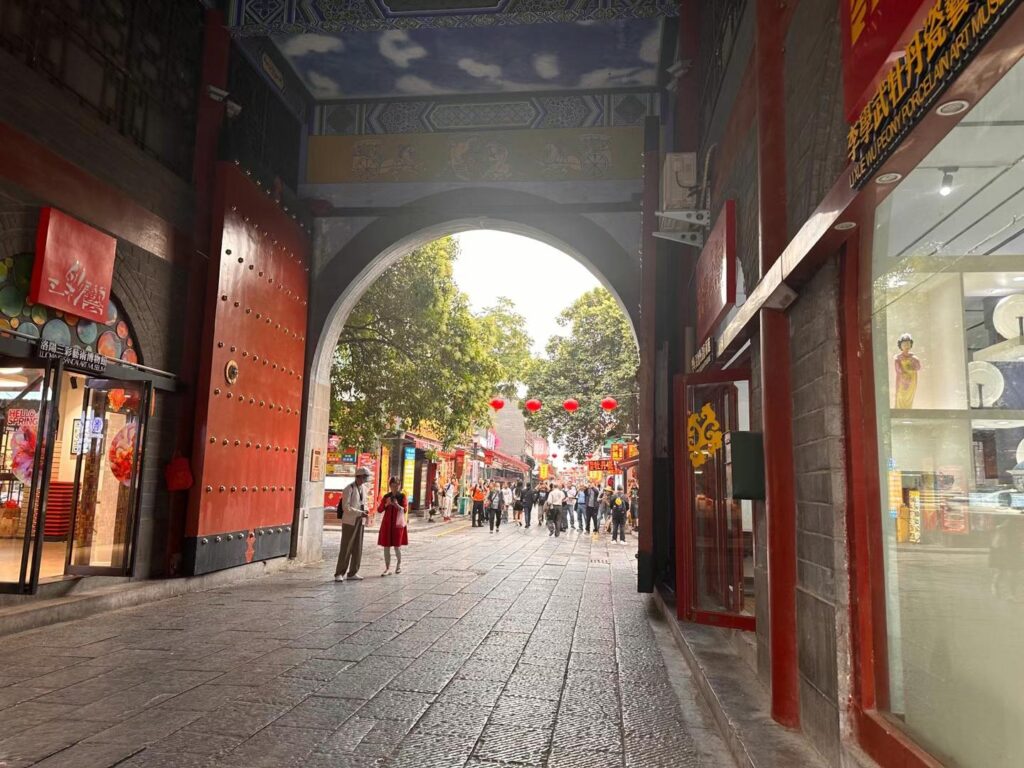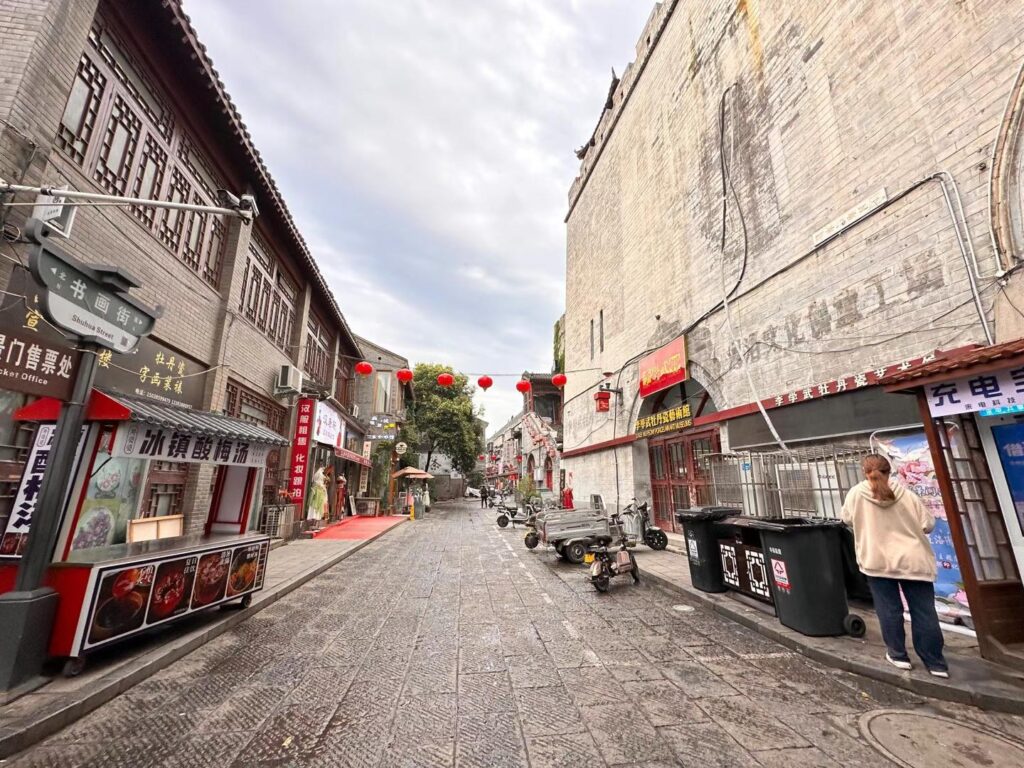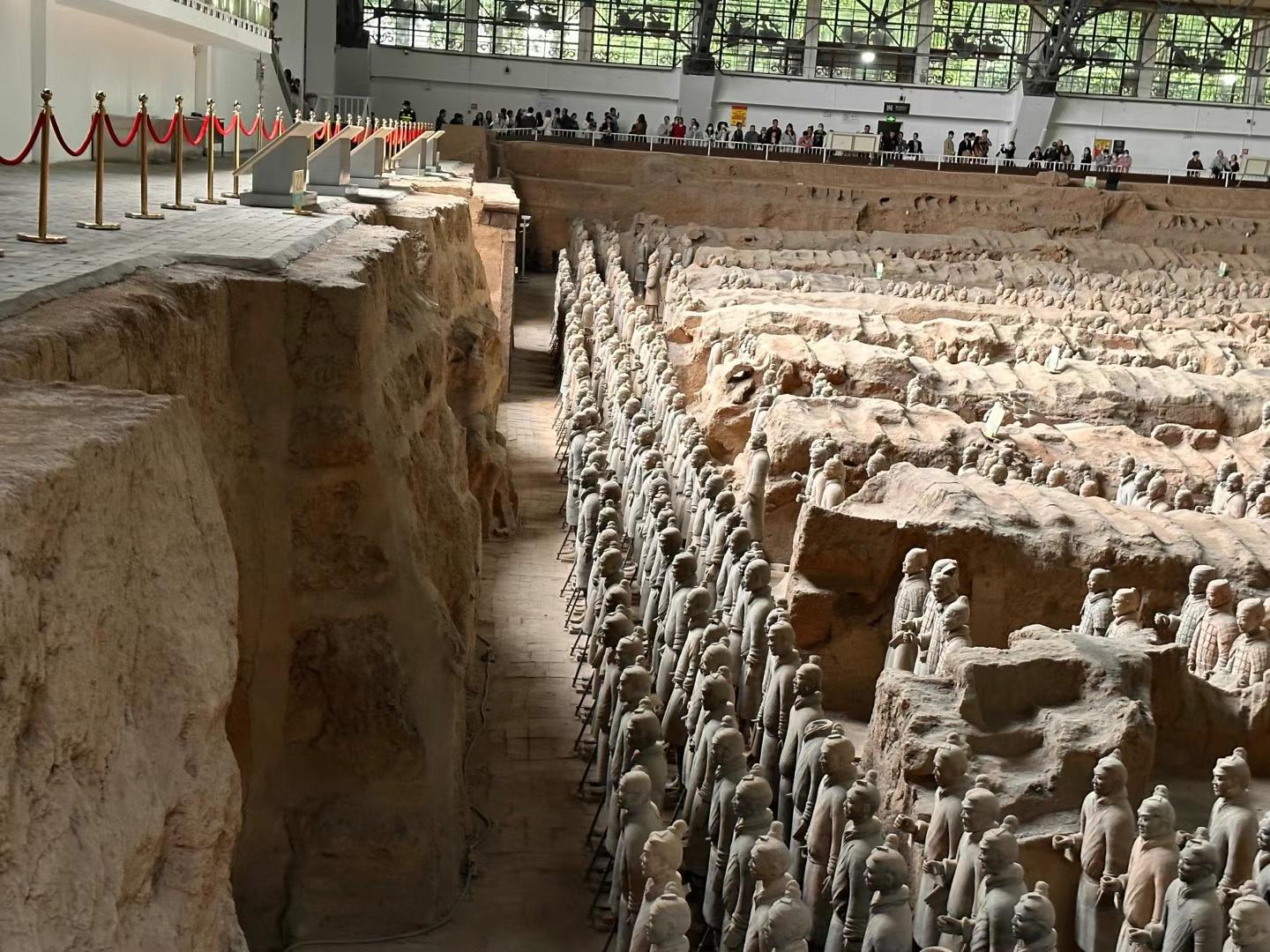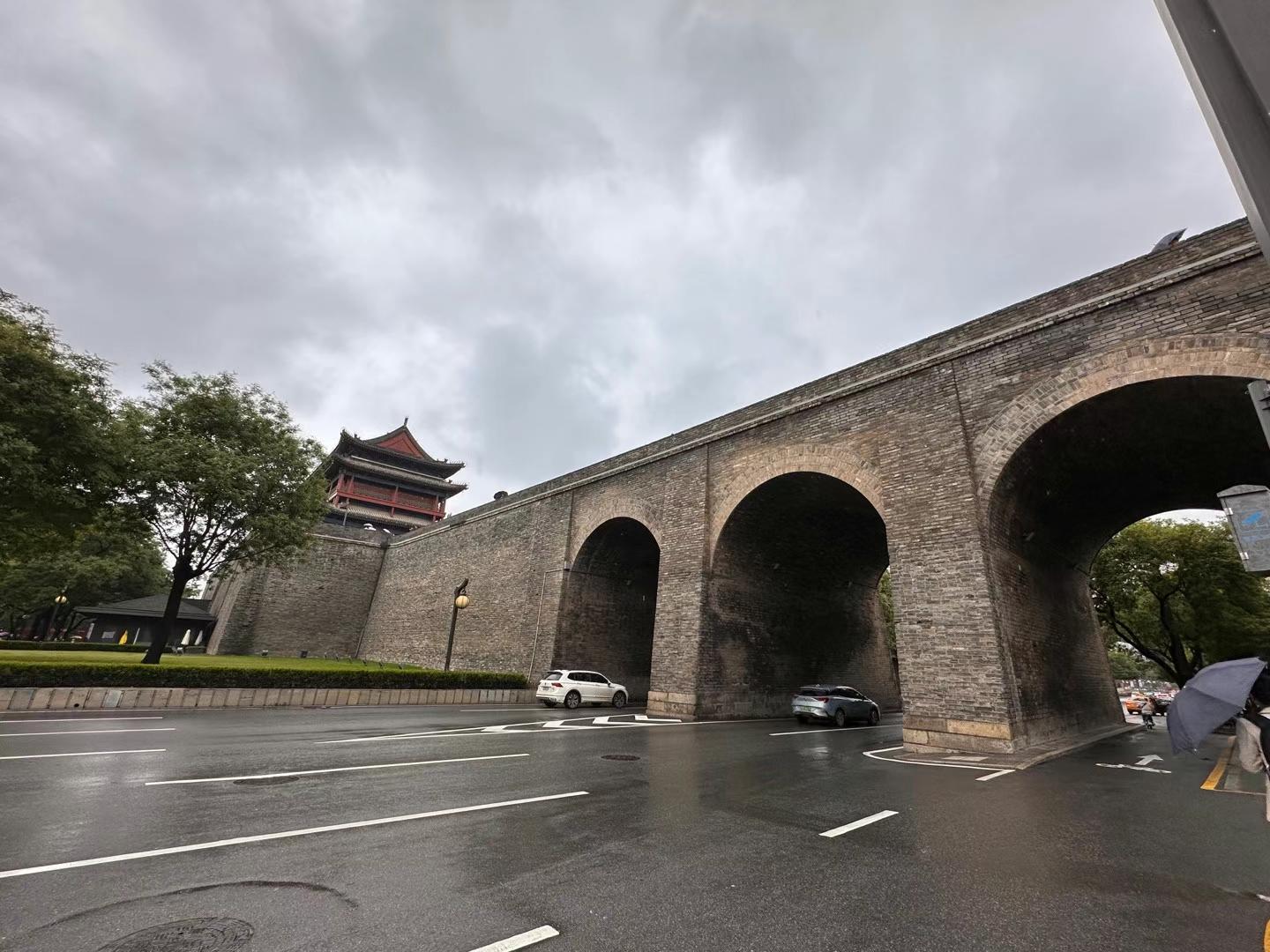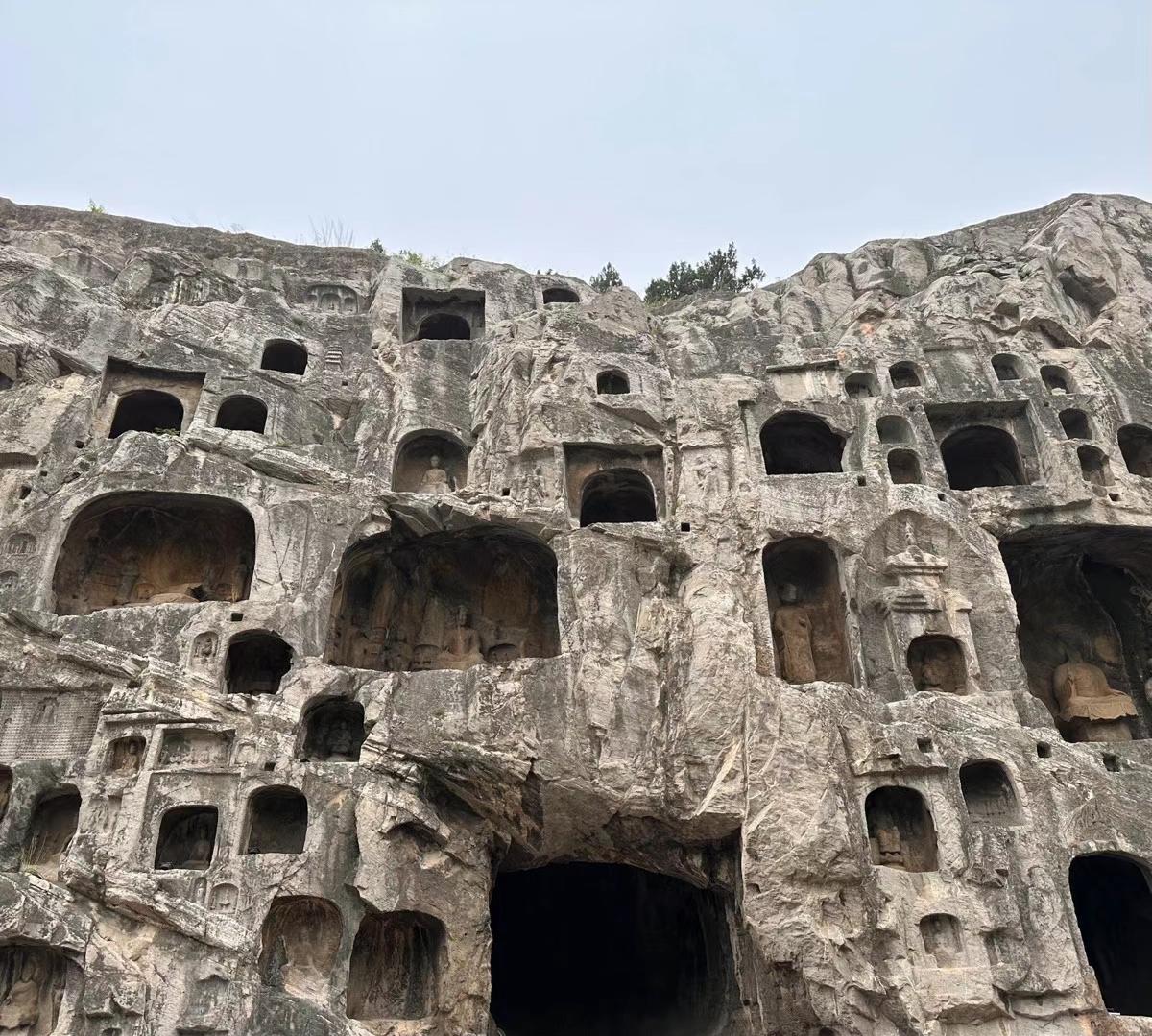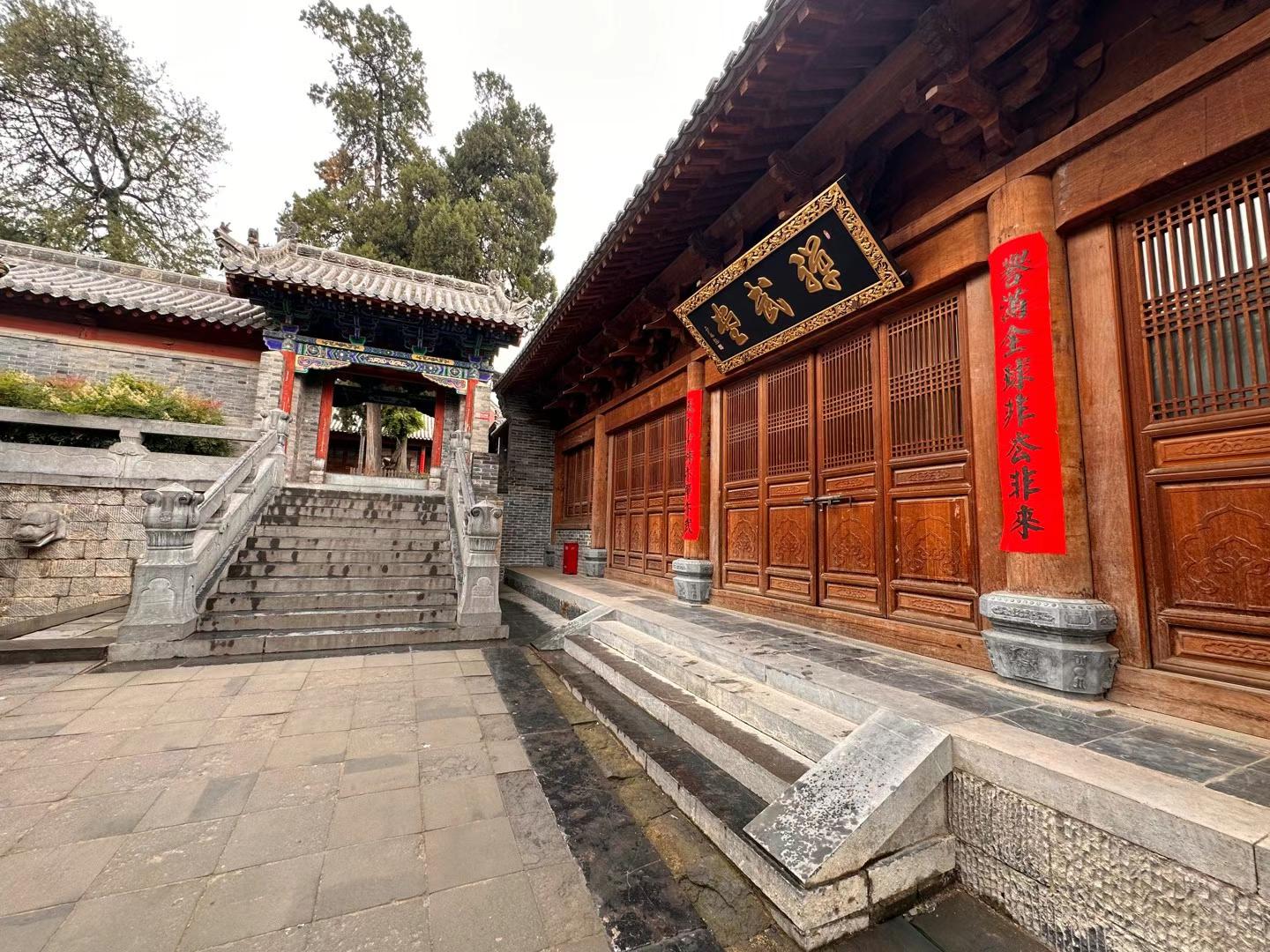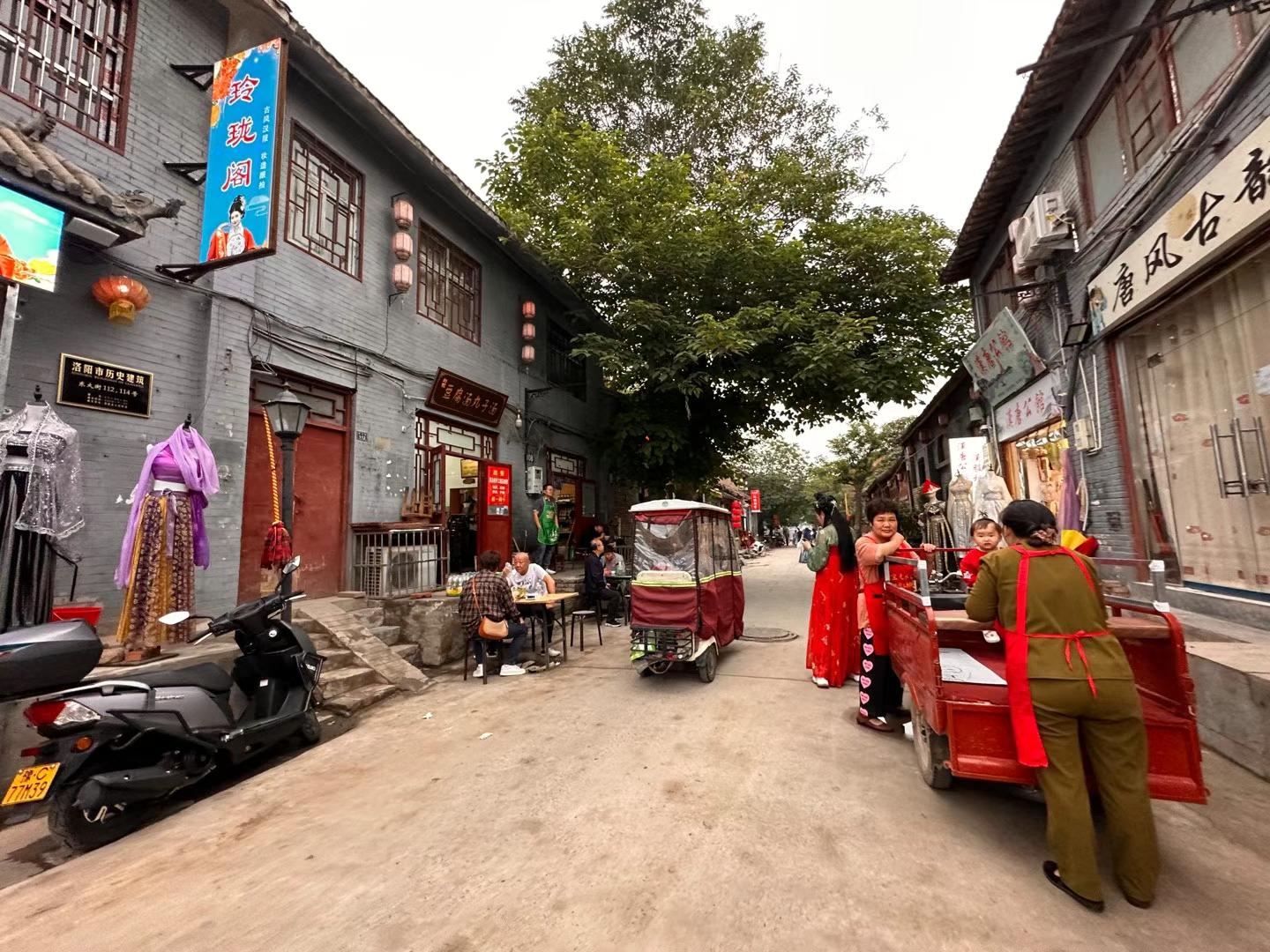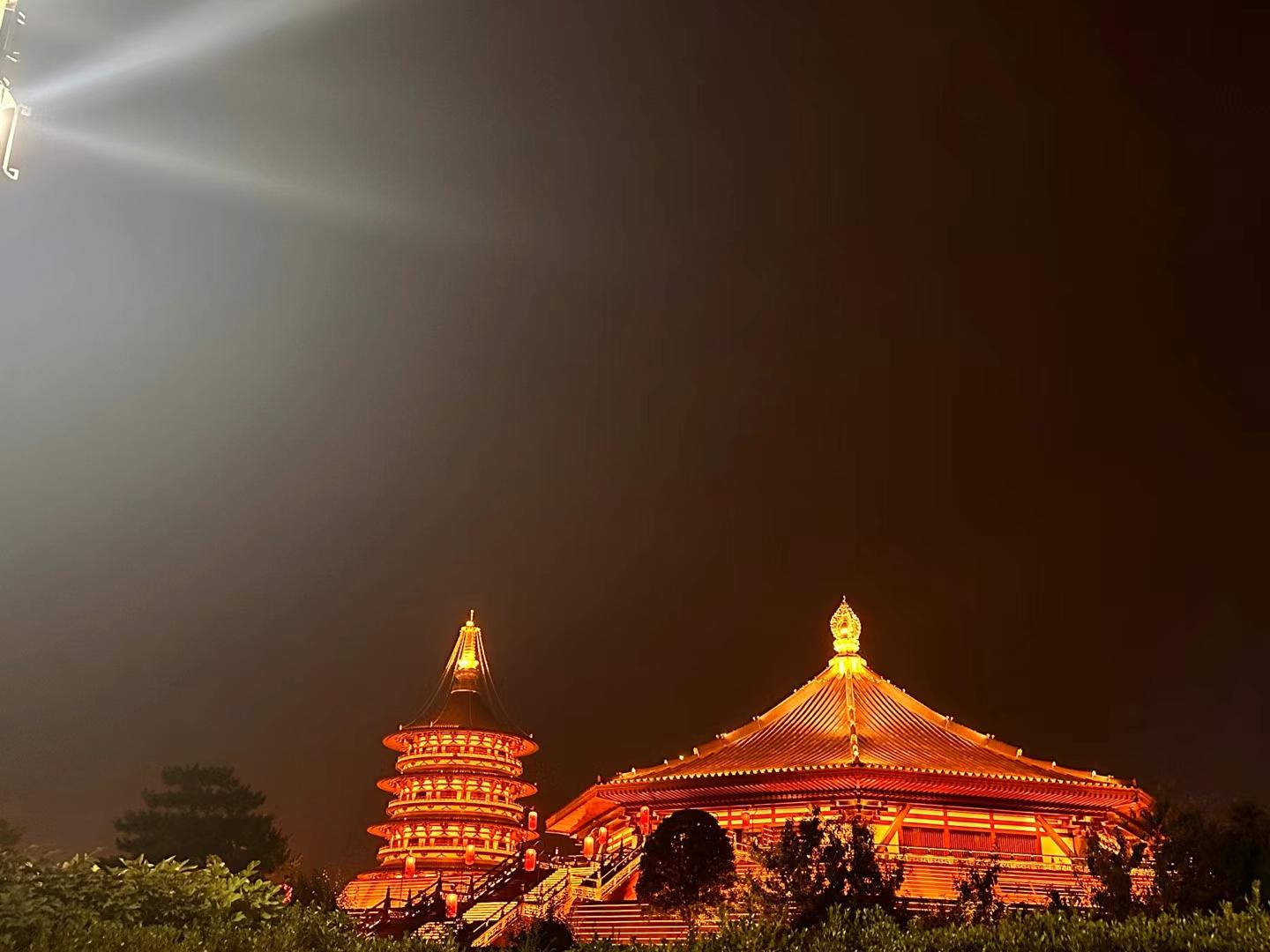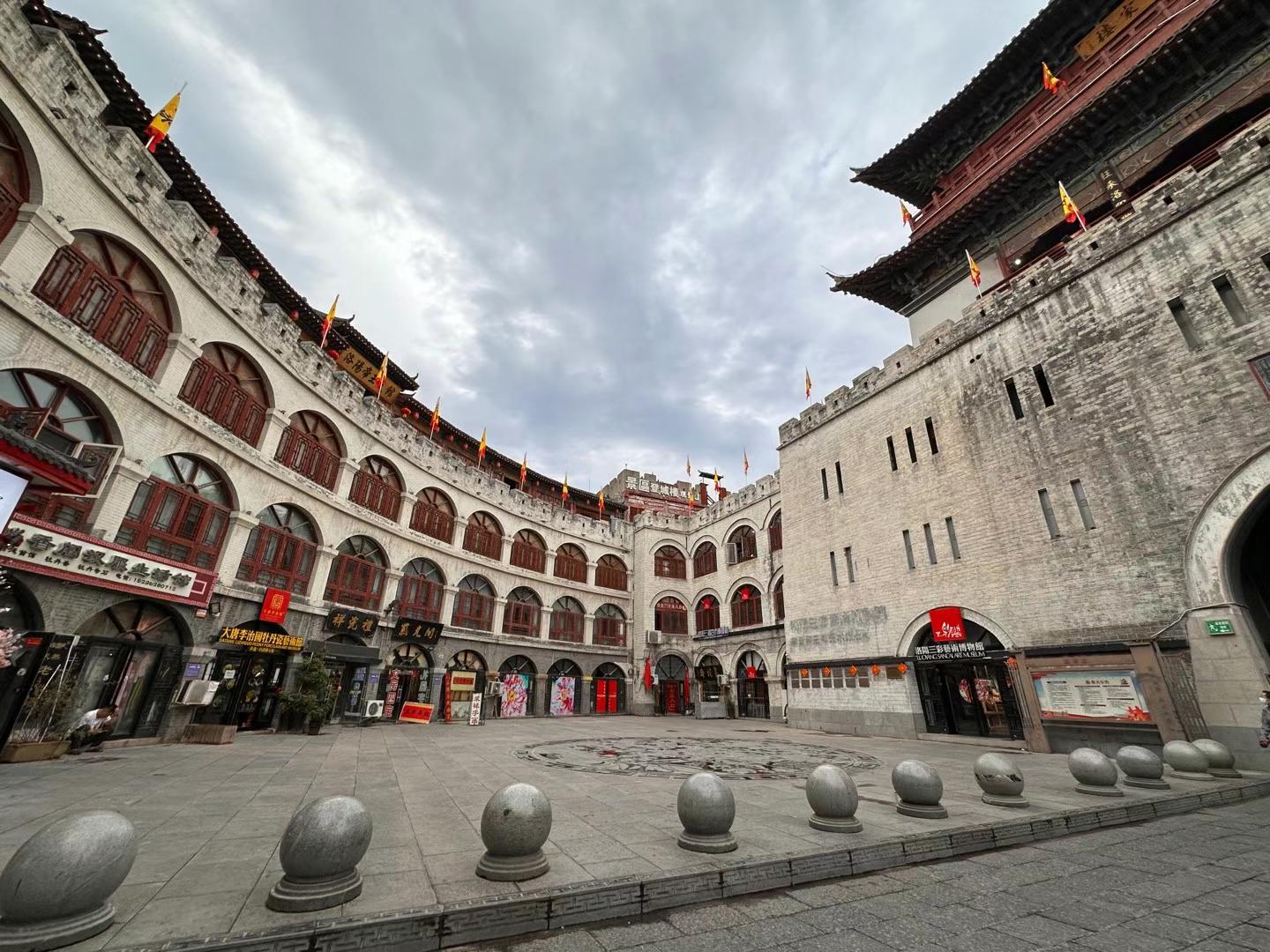
“Luoyang lies in the west of Henan Province, which is located in central North China. It is seated on the north bank of the Luo River, a southern tributary of the middle reaches of the Yellow River, so it is called Luoyang because “yang” in Chinese means the north or sunny bank of the river.Luoyang was the capital city for the longest period, the most dynasties, and the earliest time compared with the other ancient capital cities. Luoyang lies in the Central Plain surrounded by mountains, which were natural barriers against invasions. Apart from its favorable geographical location, Luoyang had an agricultural advantage as several rivers flow through it. Therefore, 105 emperors of 13 dynasties set their capitals in Luoyang during China’s history.Luoyang was a center of politics, economy, and culture in China for a total of over 1,500 years. In the Xia Dynasty (2070–1600 BC), Luoyang began its history as a capital city. In the Western Han Dynasty, Luoyang was not chosen as the capital but the ruler still attached great importance to the city.Eastern Han Dynasty (25–220 AD), Emperor Guangwu unified the country and set the capital in Luoyang. At that time, Luoyang became the largest industrial and commercial city. The Roman Empire (27–476 AD) was the period of China’s Eastern Han Dynasty. At that time, Luoyang and Rome were the two capitals of the most powerful countries in the world.In 493, the Northern Wei Dynasty (386–534 AD) established Luoyang as its capital city. Construction of the Longmen Grottoes began. Later, the Longmen Grottoes became a world-famous site.In the Sui Dynasty (581–618 AD), Luoyang became the capital again. Emperor Yang ordered the construction of the Grand Canal. The Grand Canal was centered at Luoyang, south of Zhujun (now Beijing) and north of Yuhang (now Hangzhou). It became the main artery for traffic between the north and south at that time, and consequently Luoyang developed more prosperously.The Tang Dynasty (618–907 AD) was one of the strongest periods in Chinese history. In the early period, Luoyang was the economic and cultural center. In the middle and later periods, Luoyang became the political center. During the Tang Dynasty, Luoyang had always been the capital or auxiliary capital. It played an important role during that period.Luoyang’s responsibility as the capital wasn’t removed until the Jin Dynasty (1115–1234). In this period, Luoyang acted as the capital intermittently. Nowadays, Luoyang is not a metropolis like Shanghai, but history has left its mark on Luoyang. There are a few very important historical sites including the Longmen Grottoes, which is a UNESCO World Heritage Site, and White Horse Temple, which was the first Buddhist temple in China.”
https://www.chinahighlights.com/luoyang/