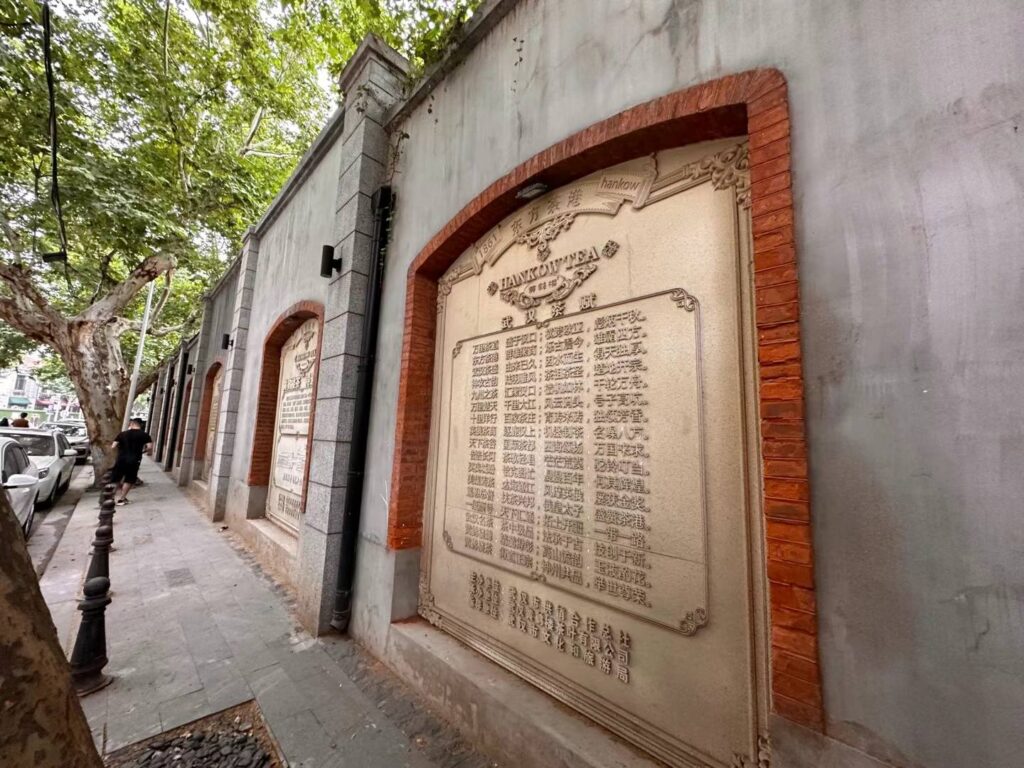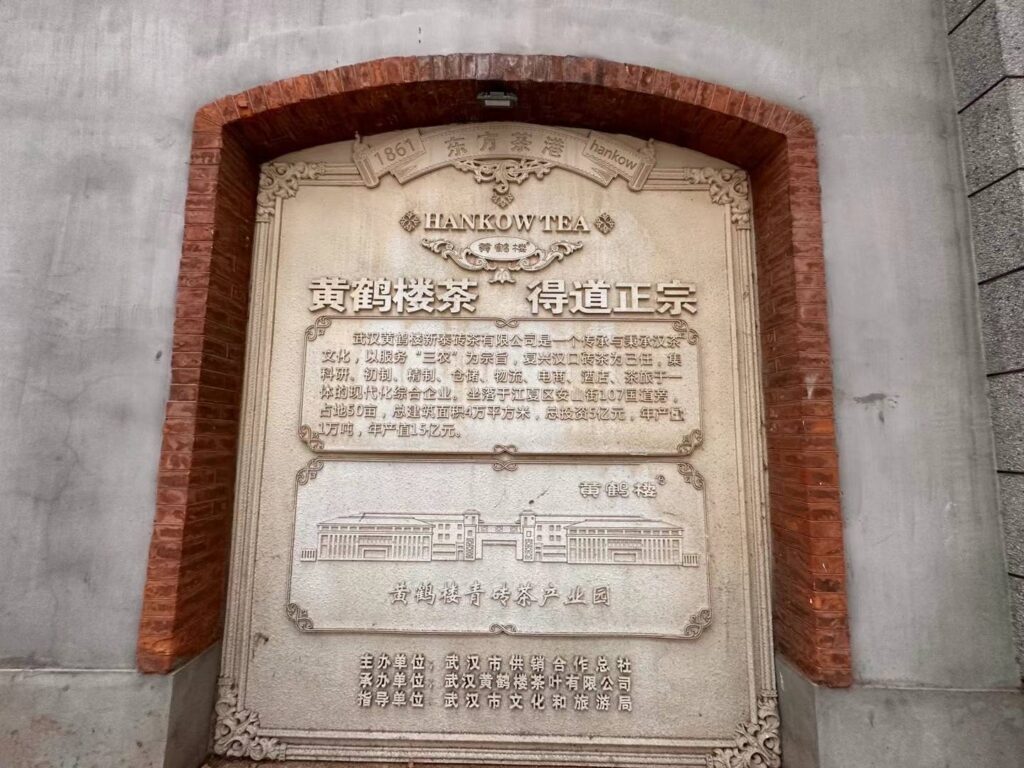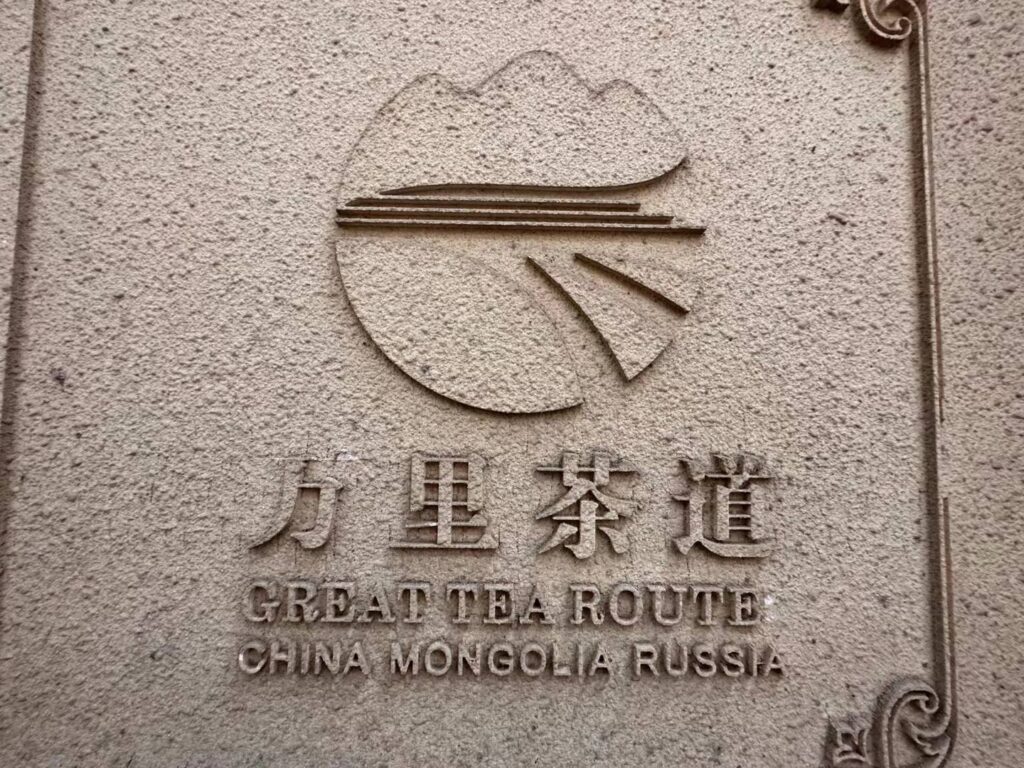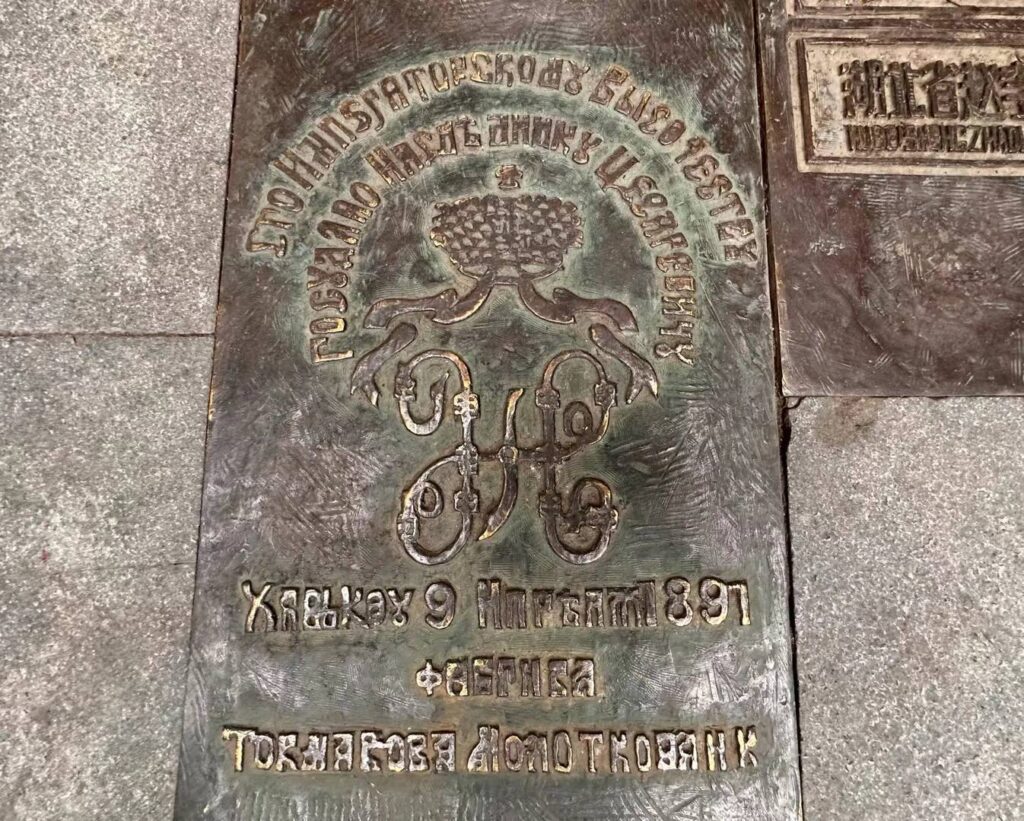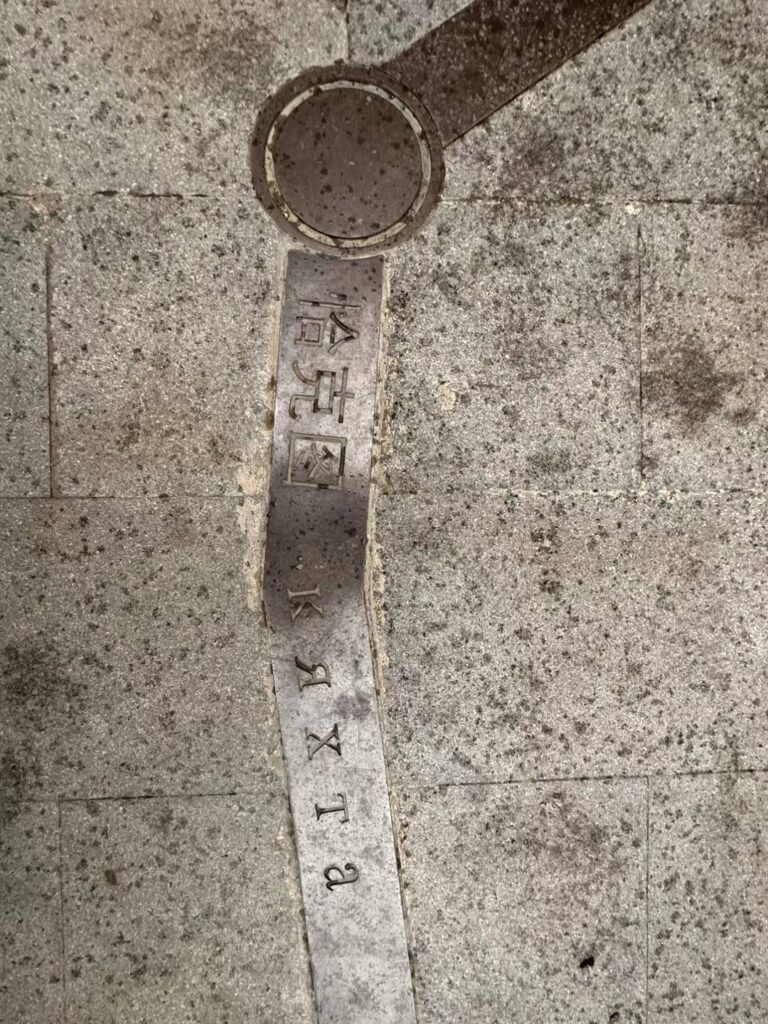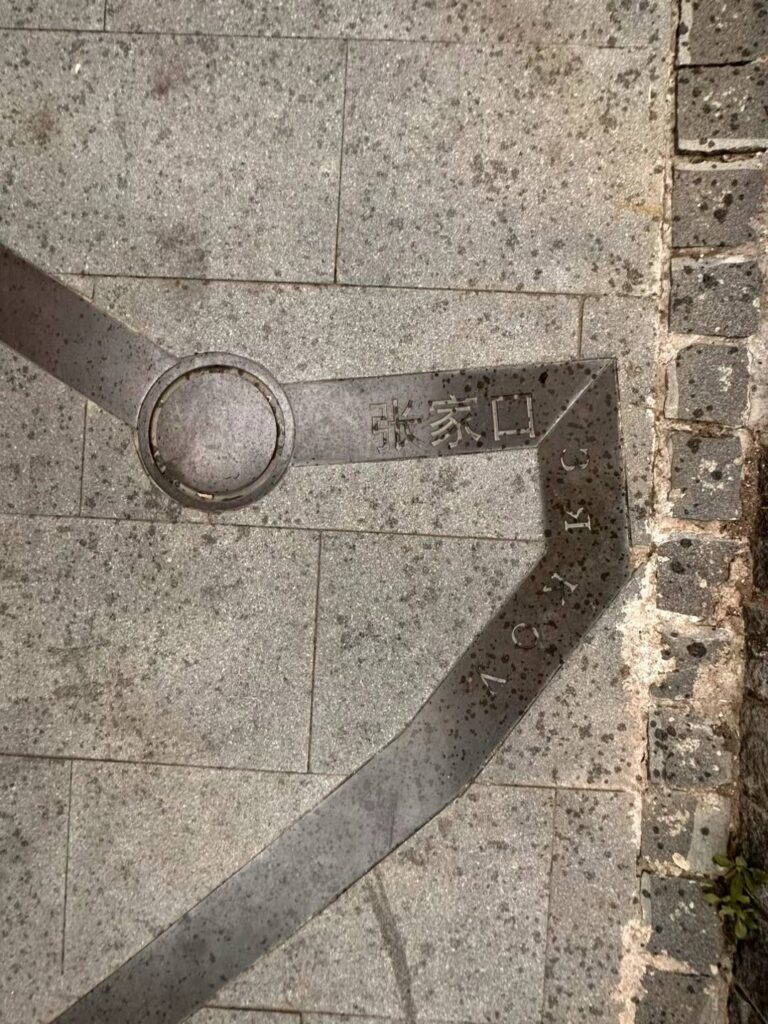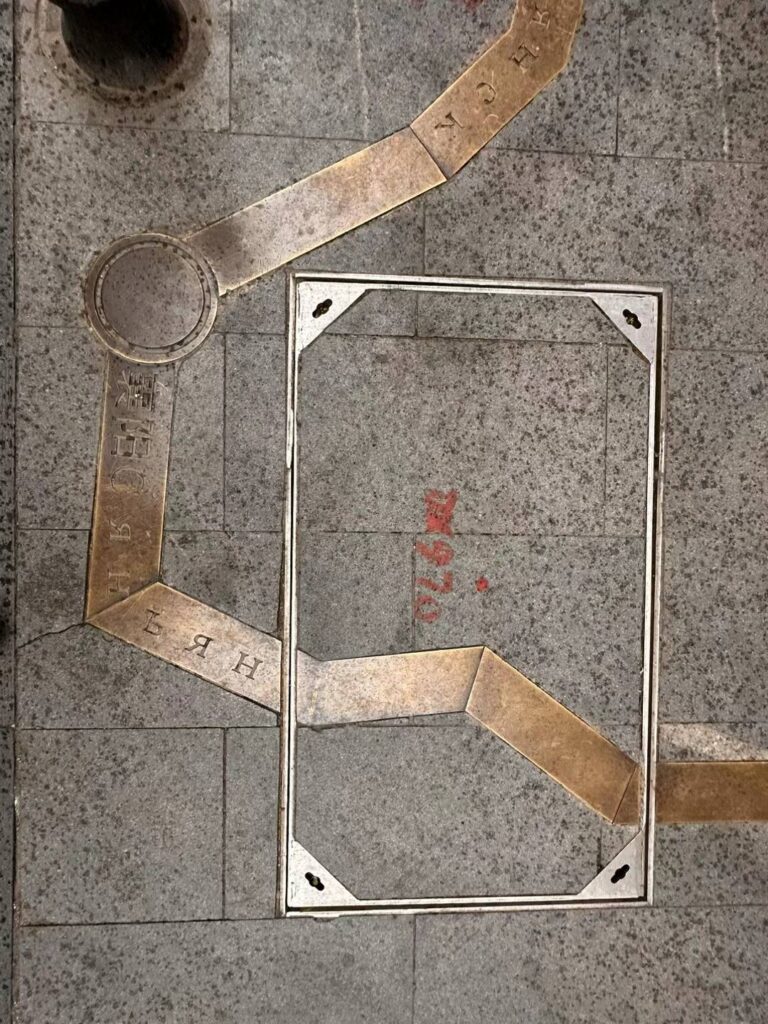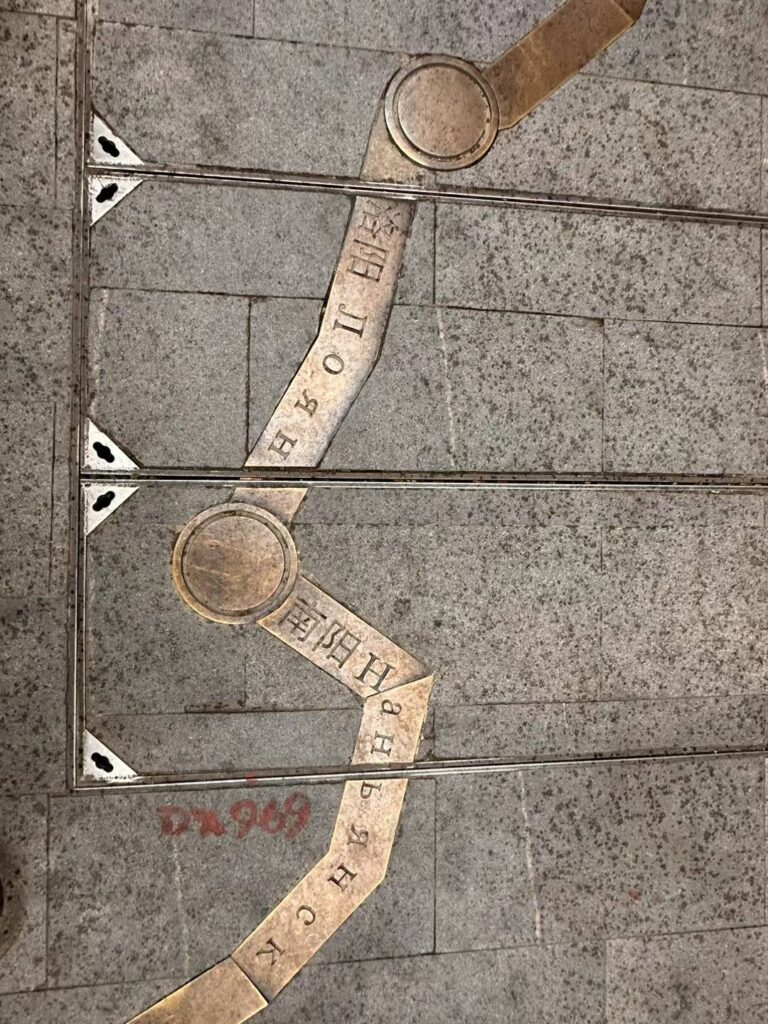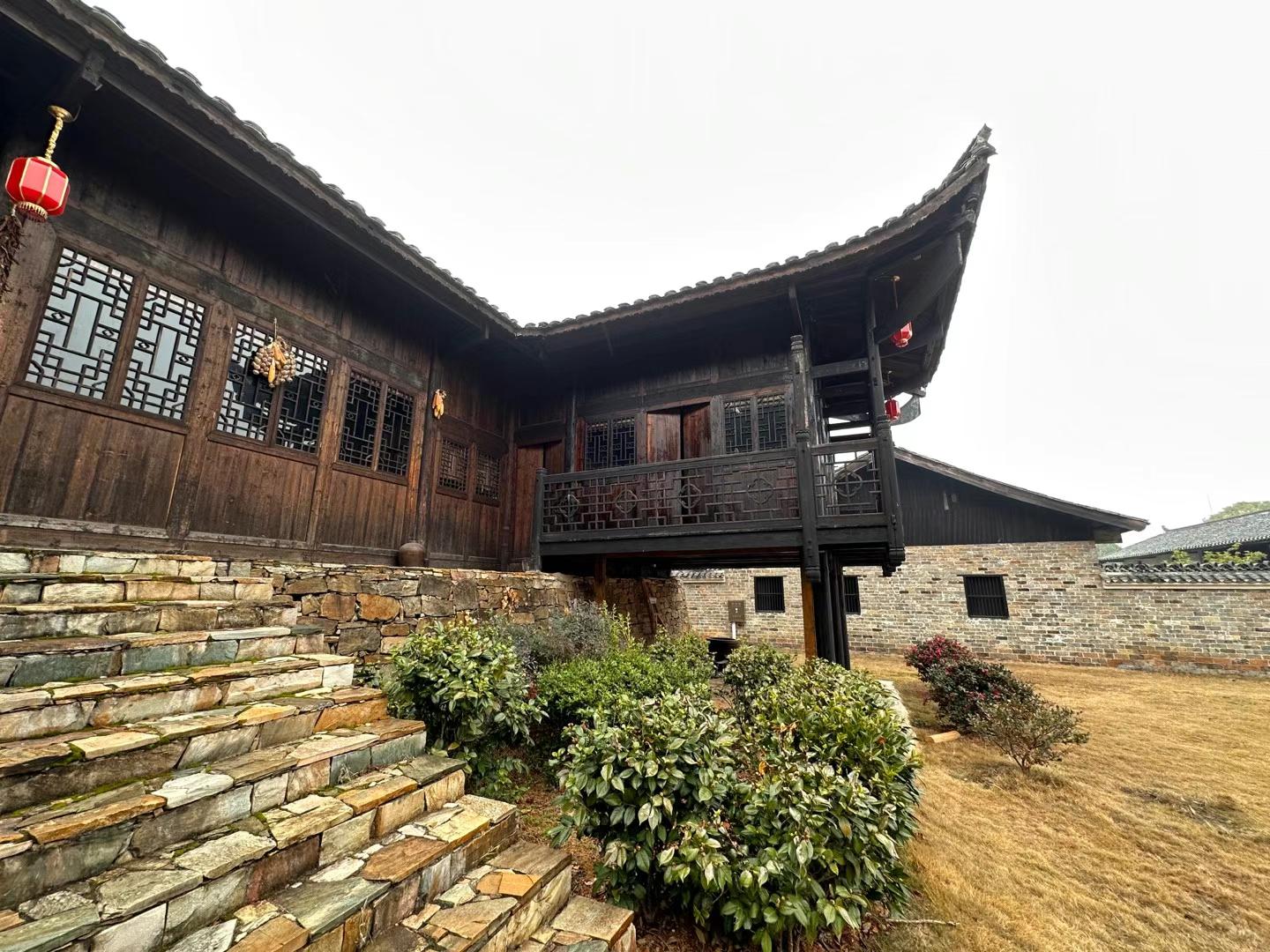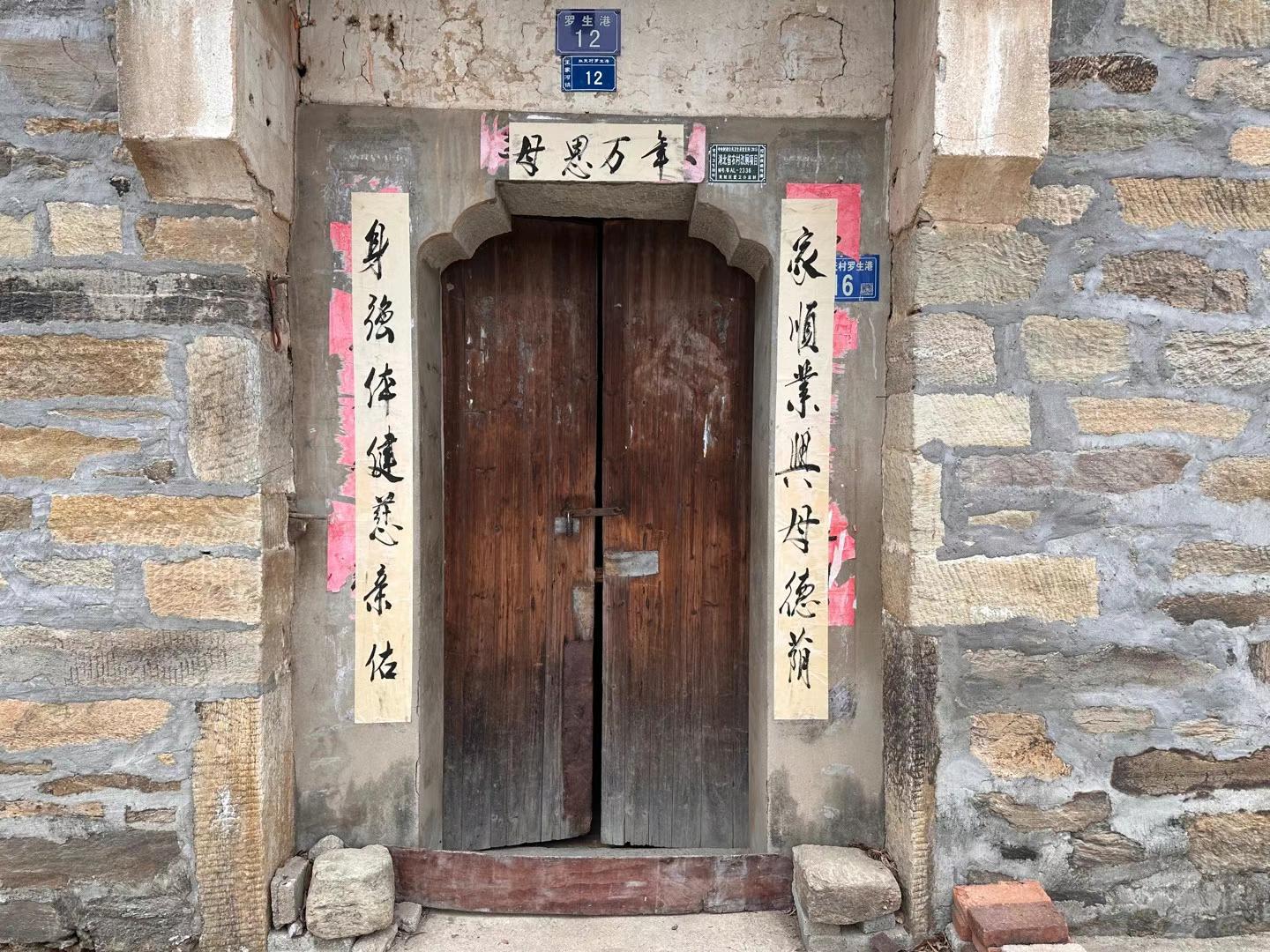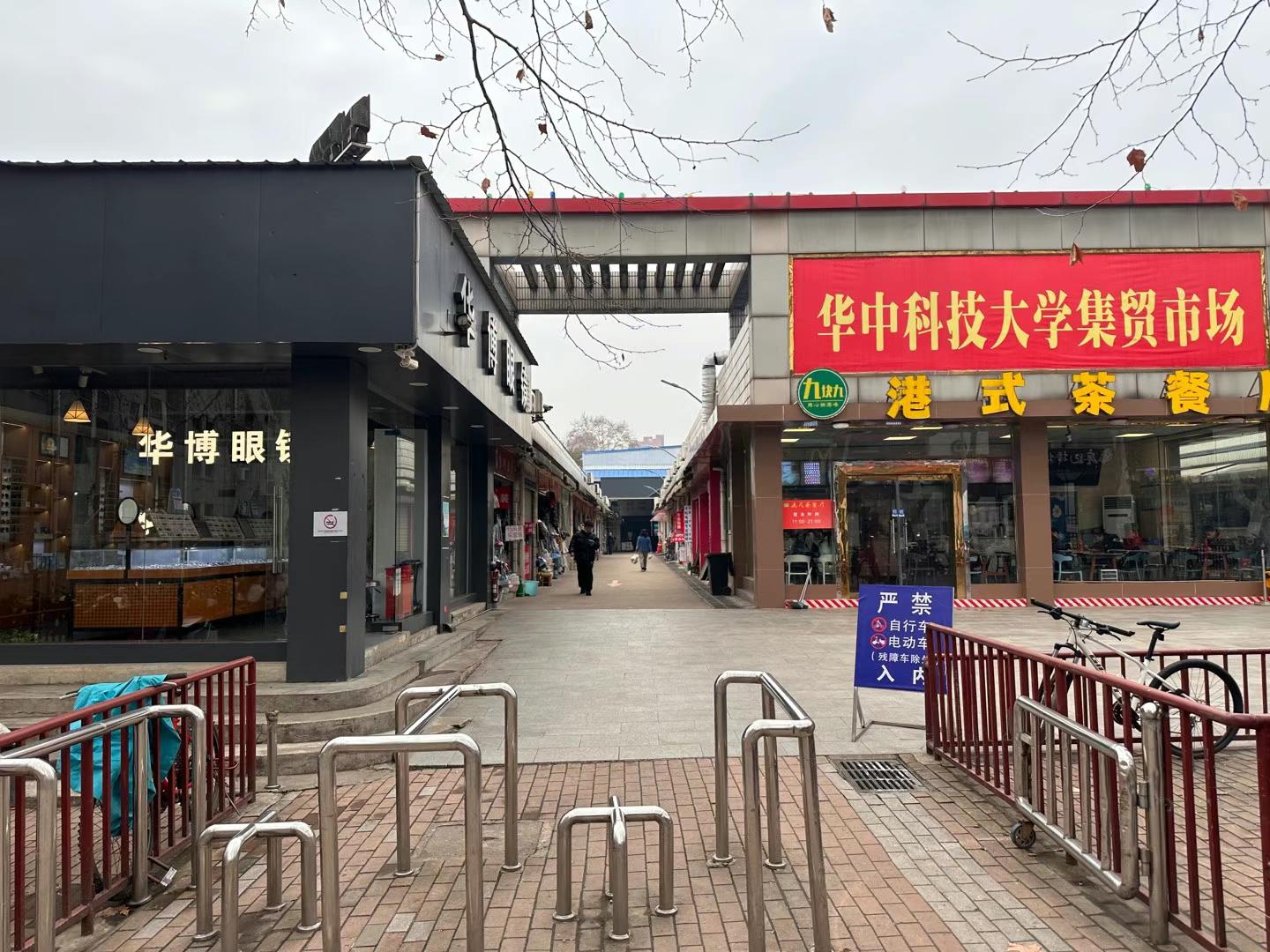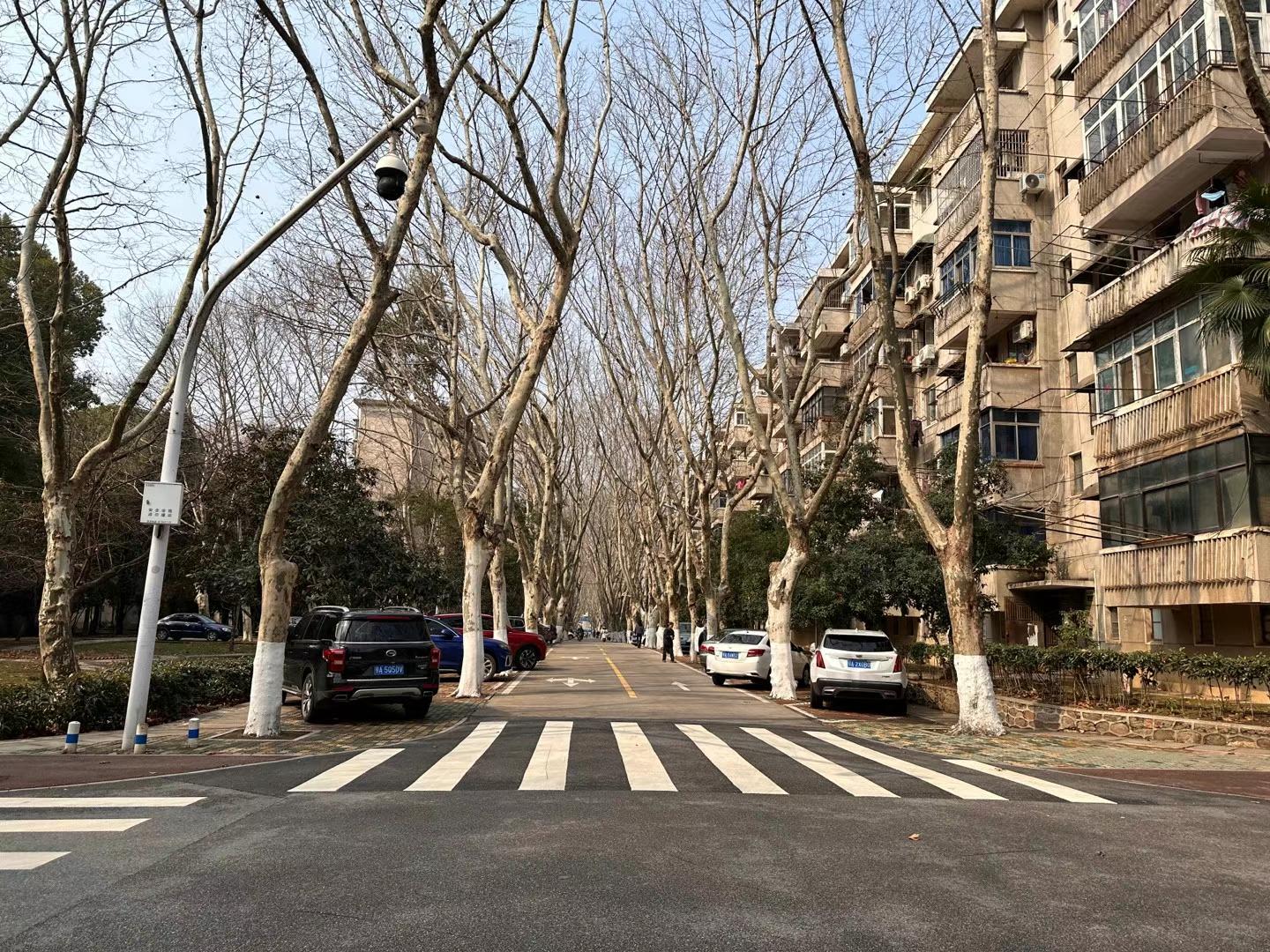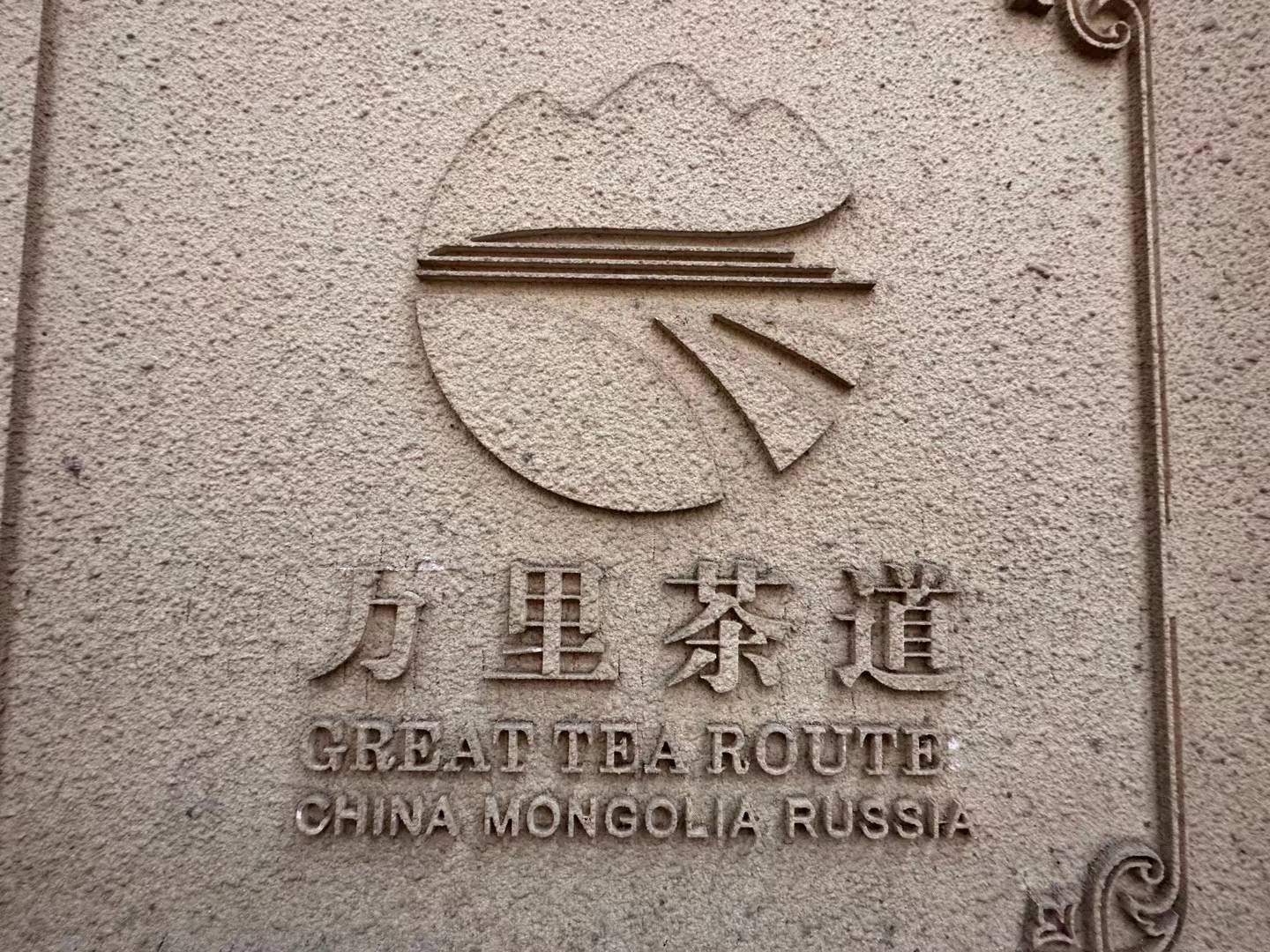
“The Great Tea Road has been included in the UNESCO World Heritage Tentative List, according to the Wuhan World Heritage Application Office for Tea Road on March 20, 2019.
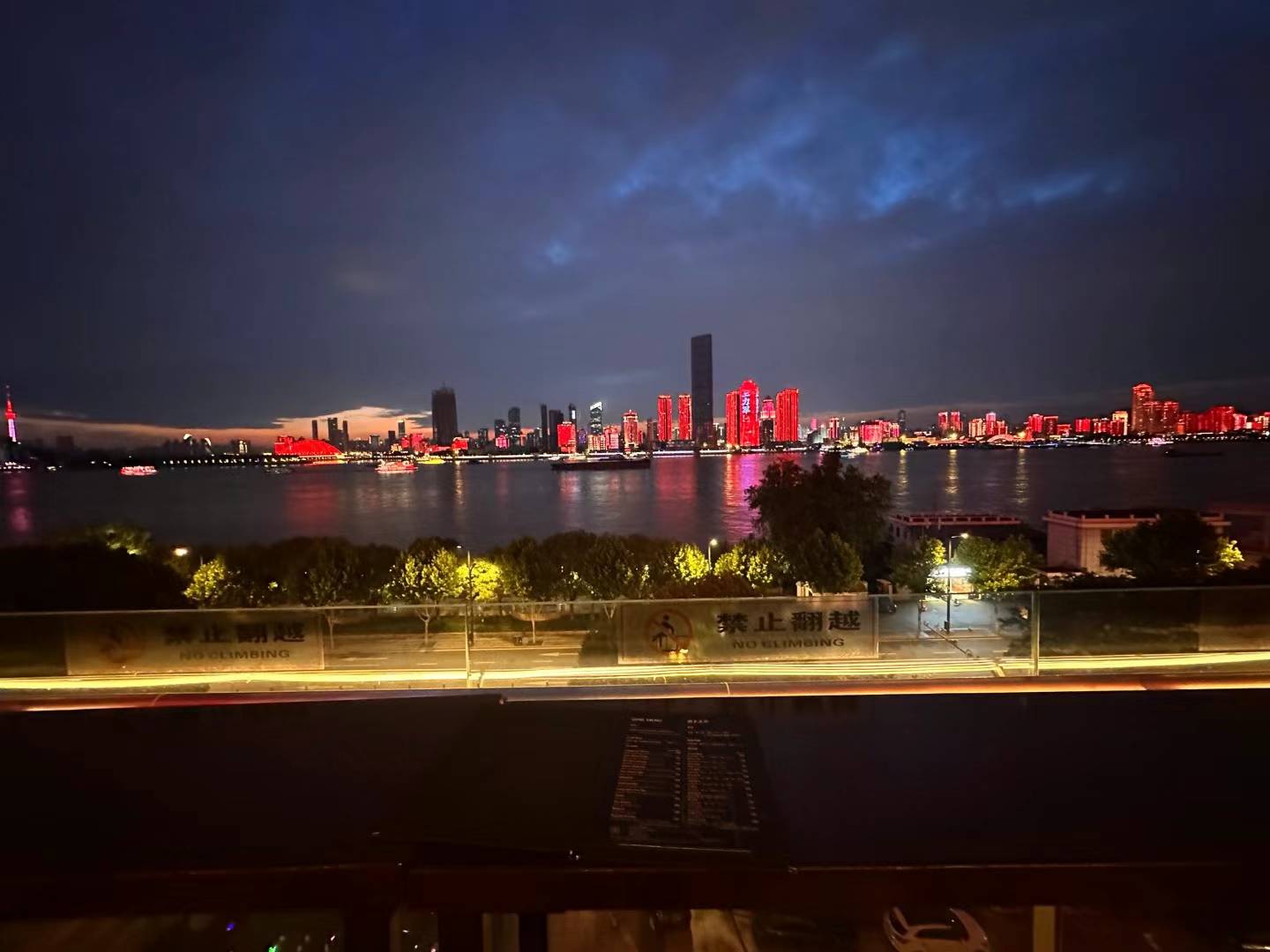
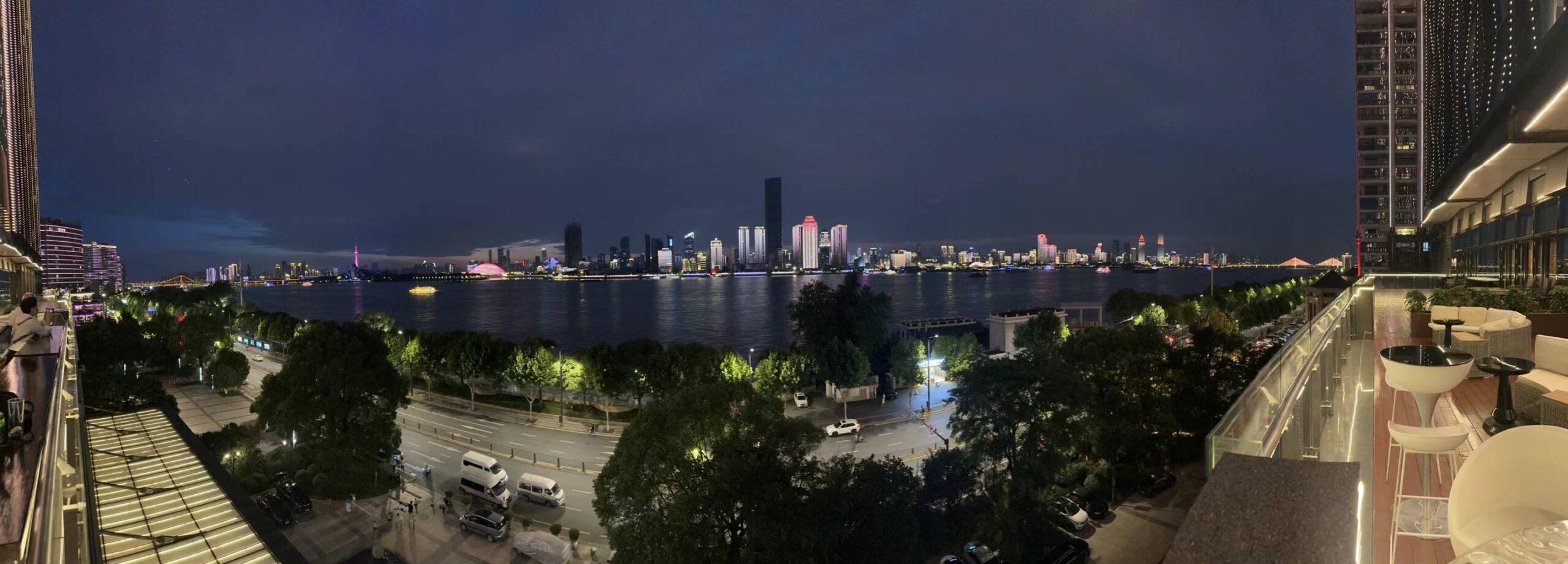
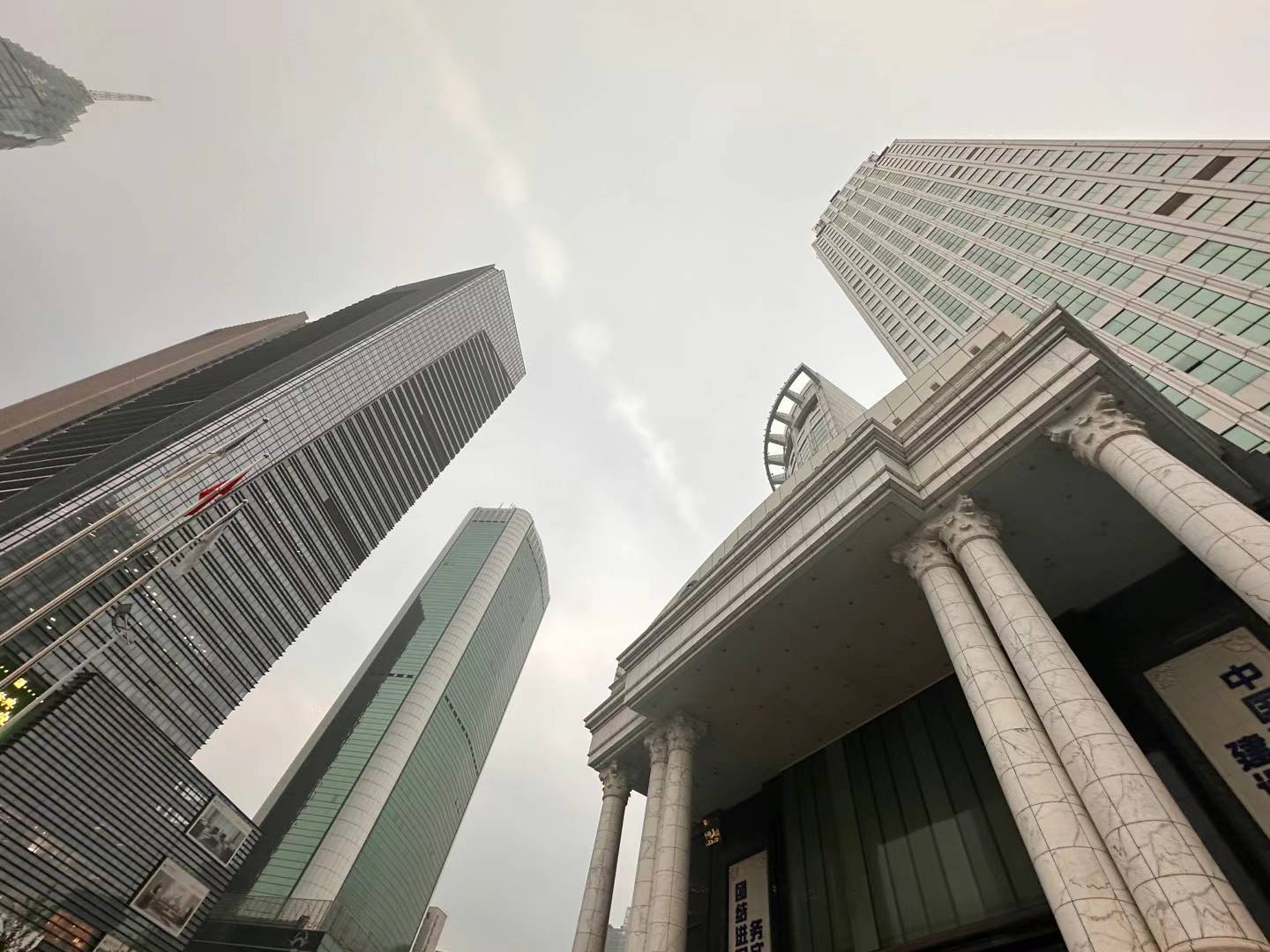
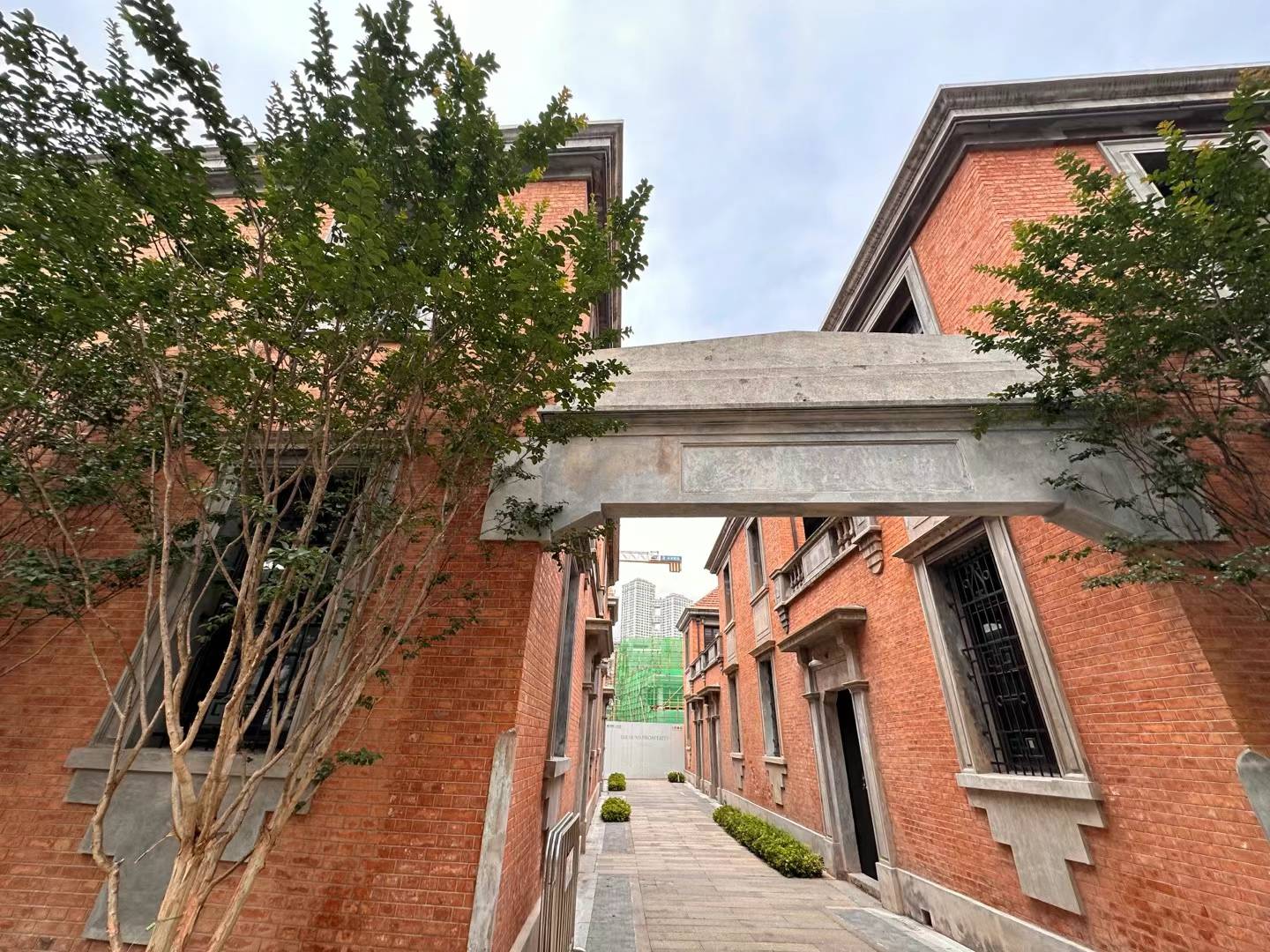
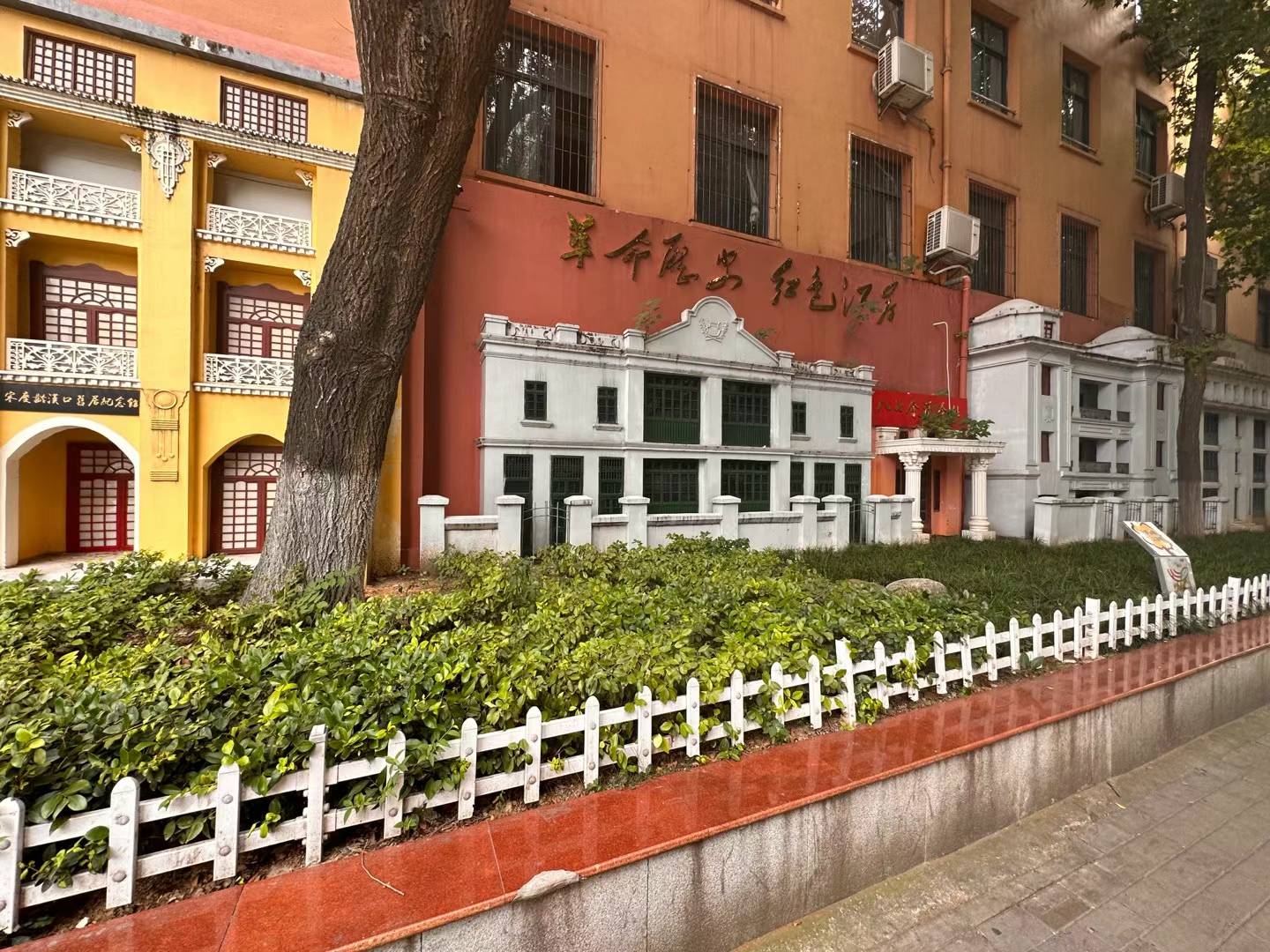
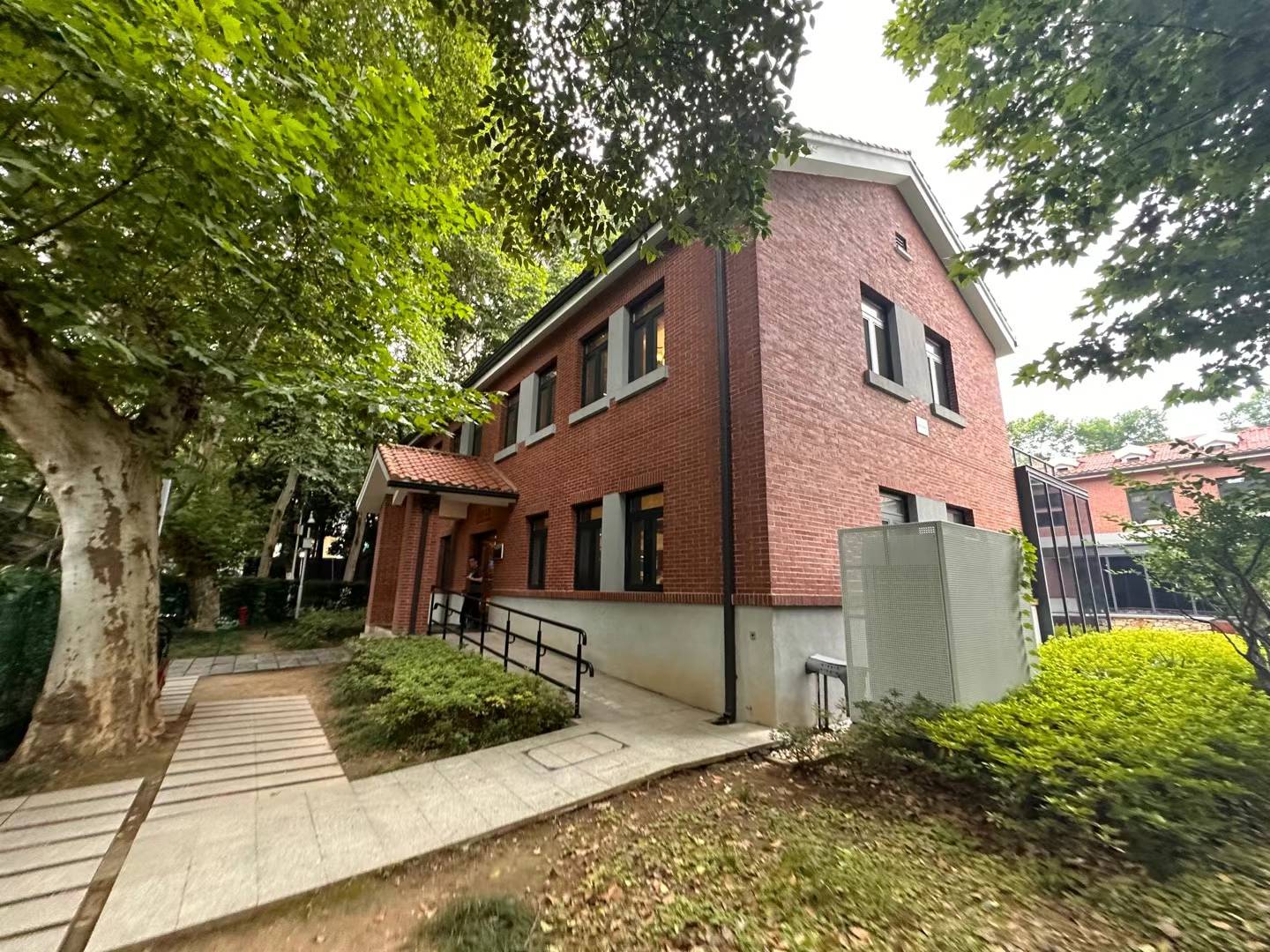
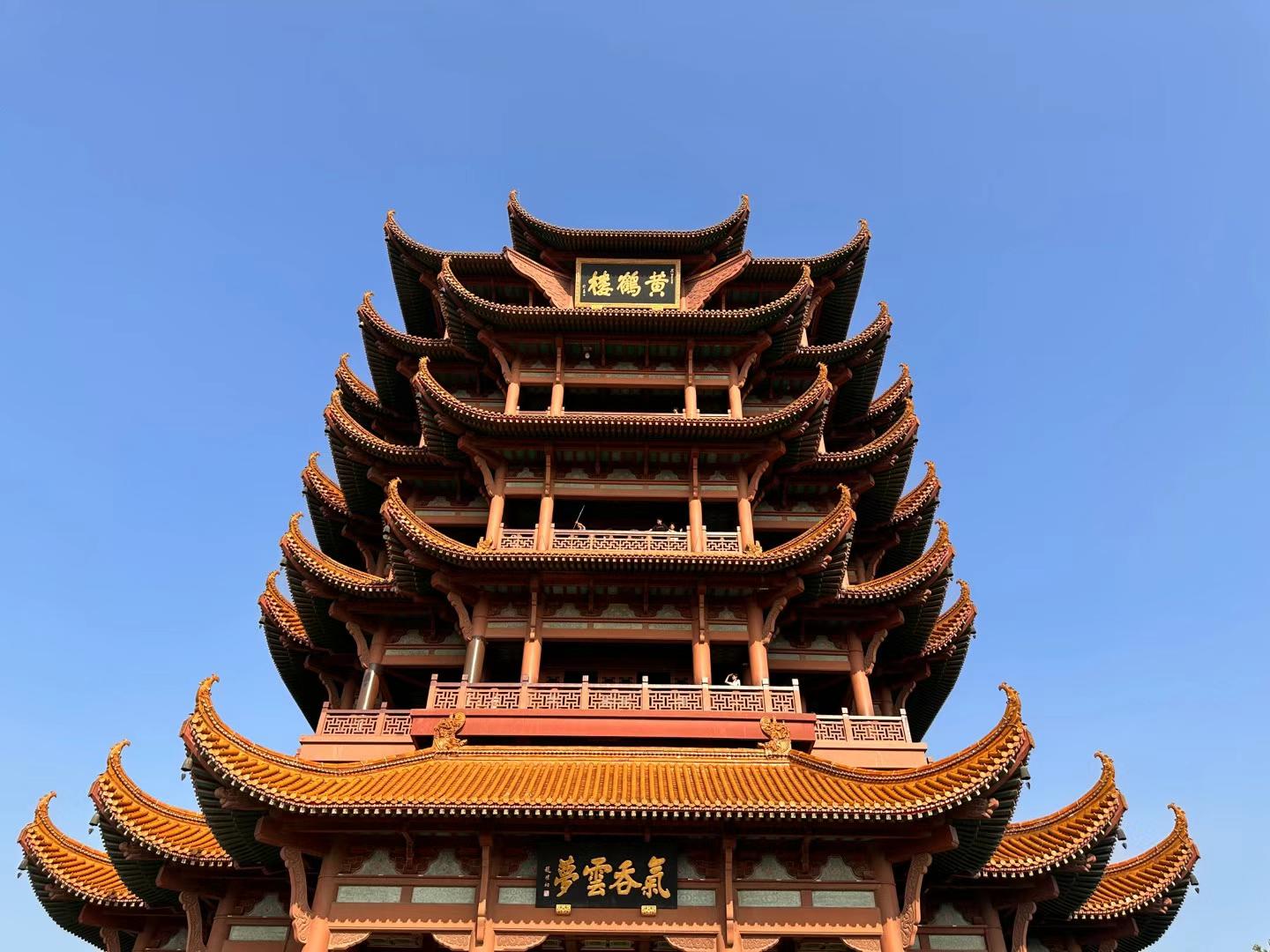
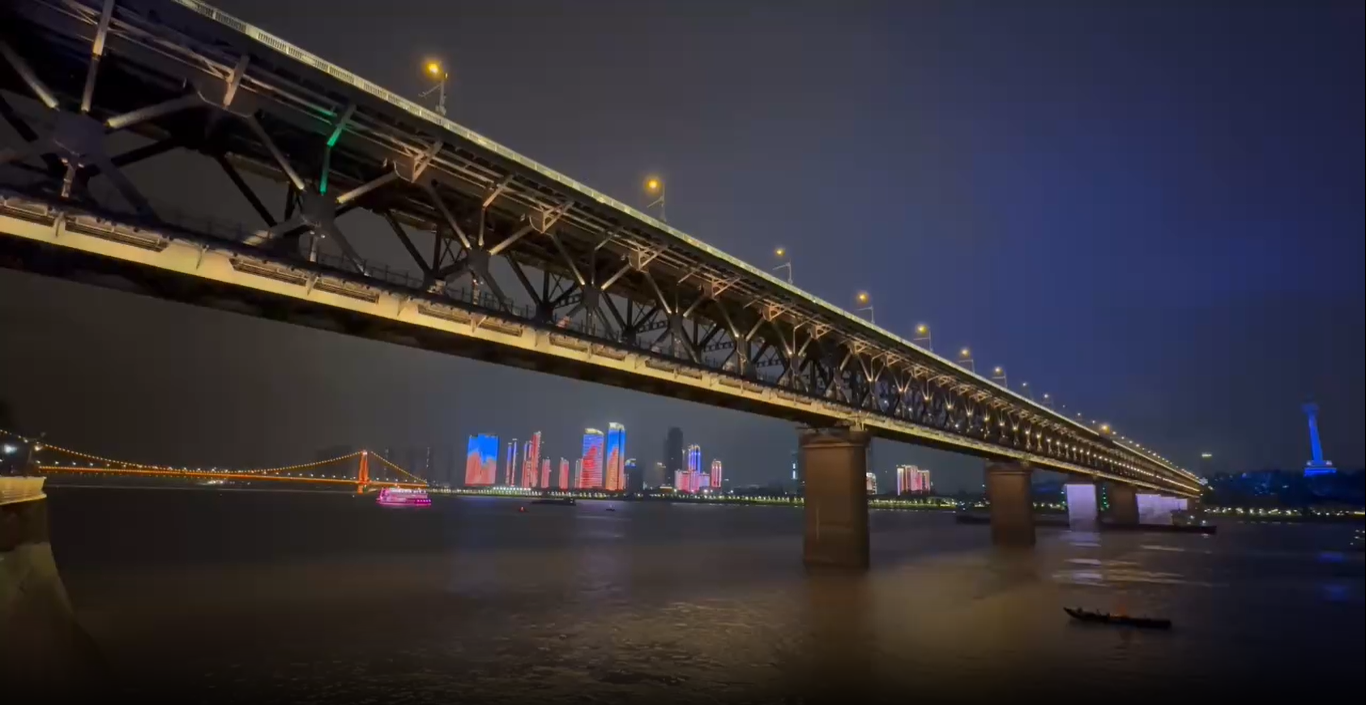
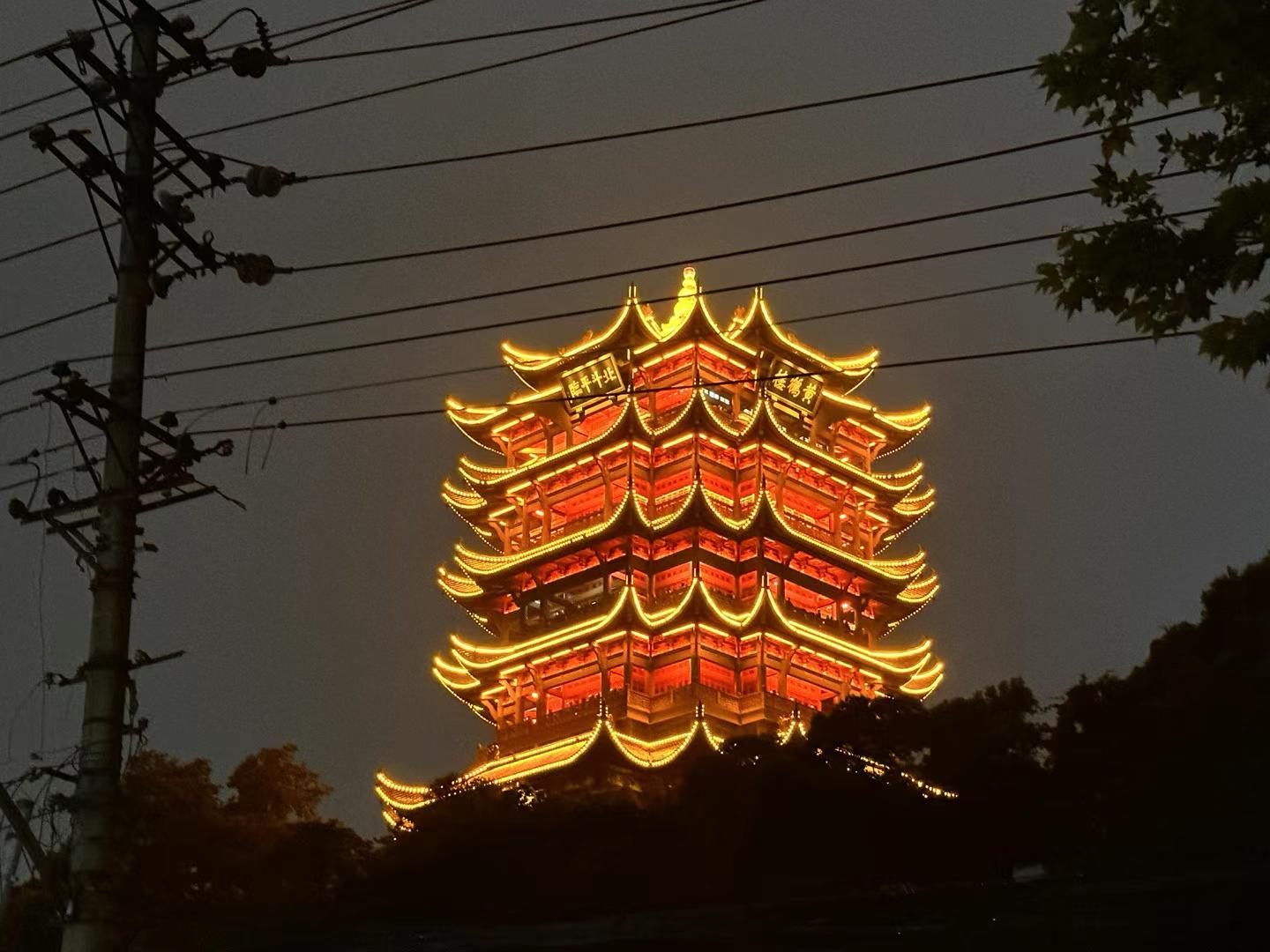
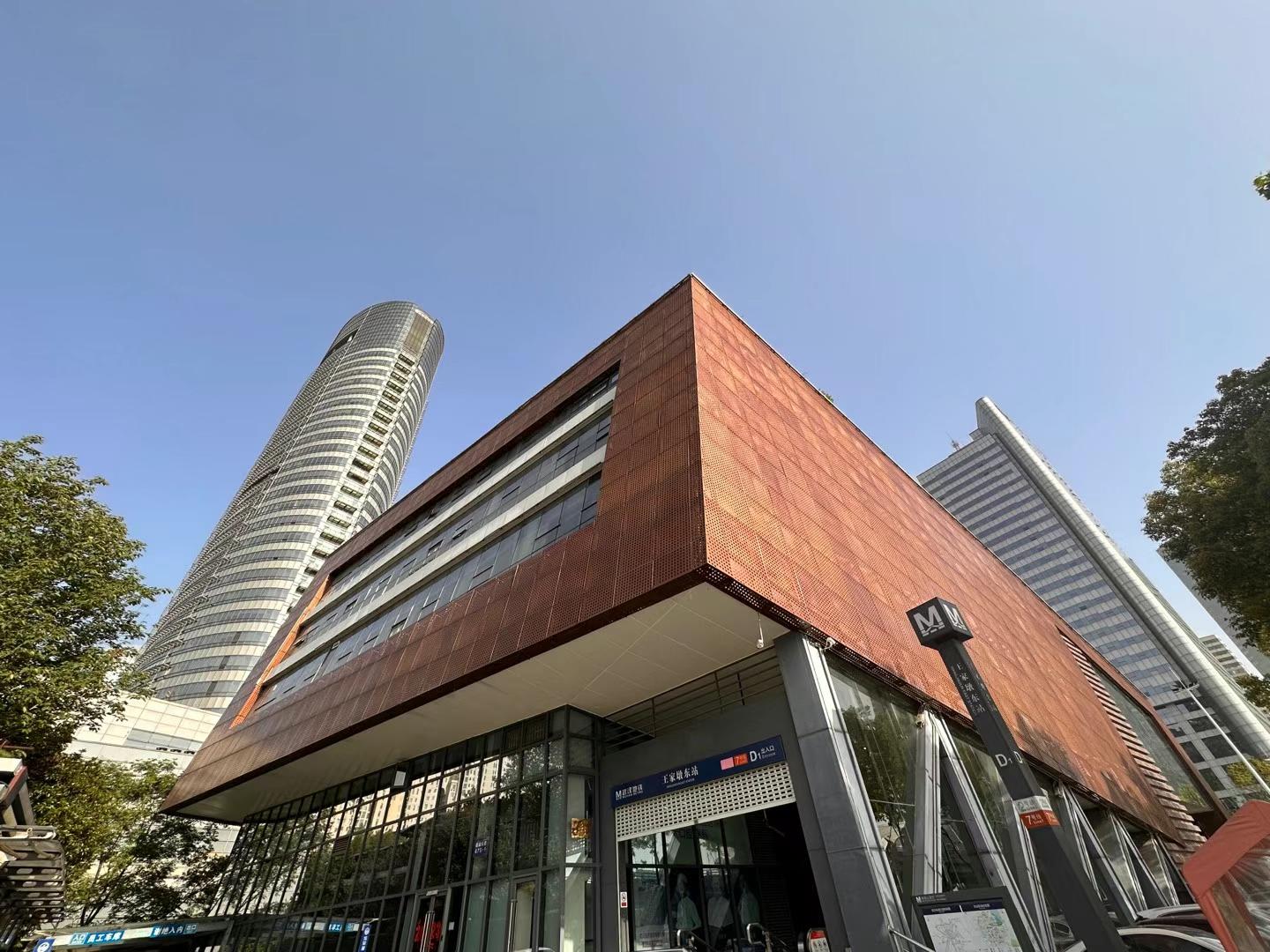
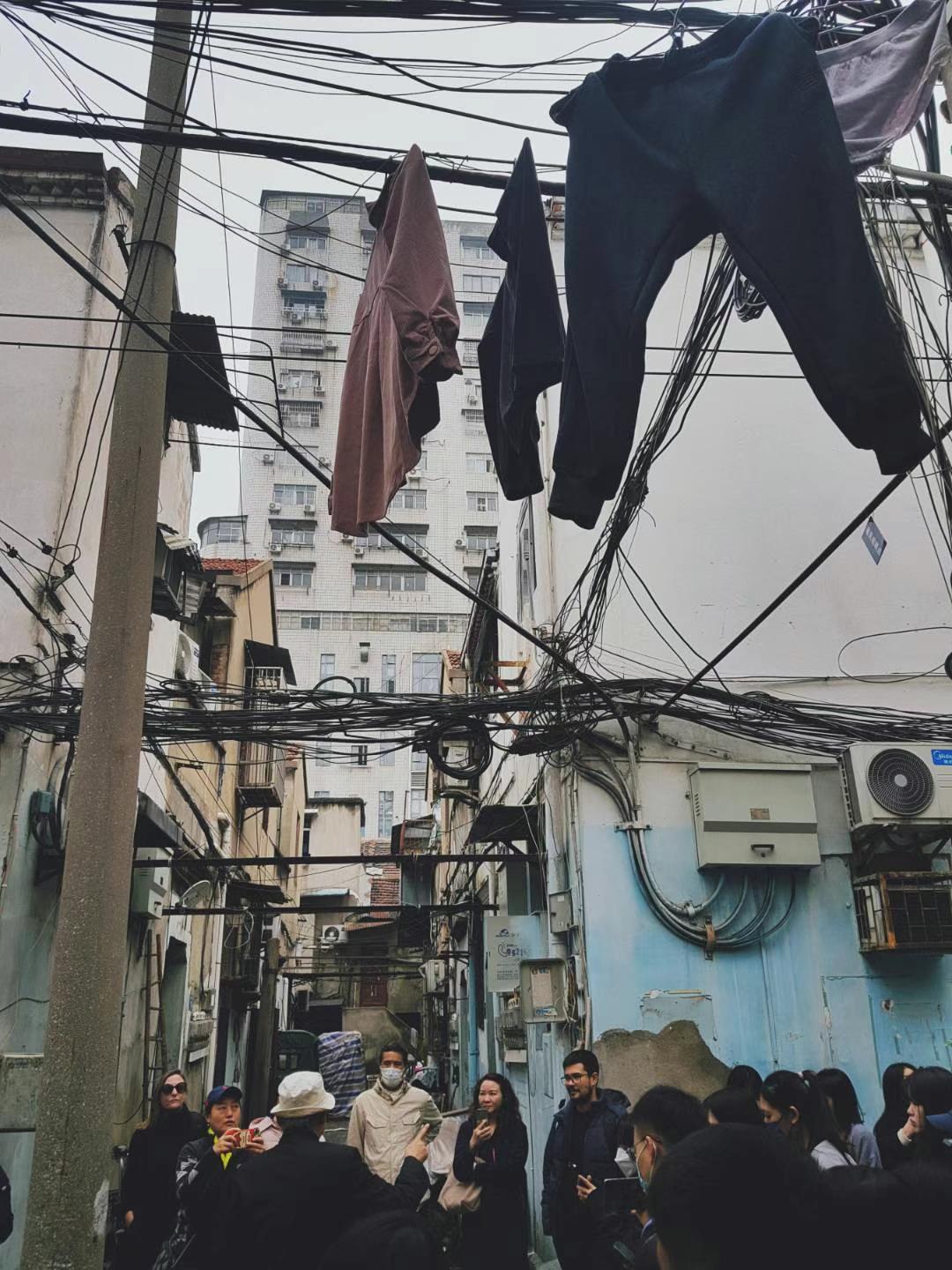
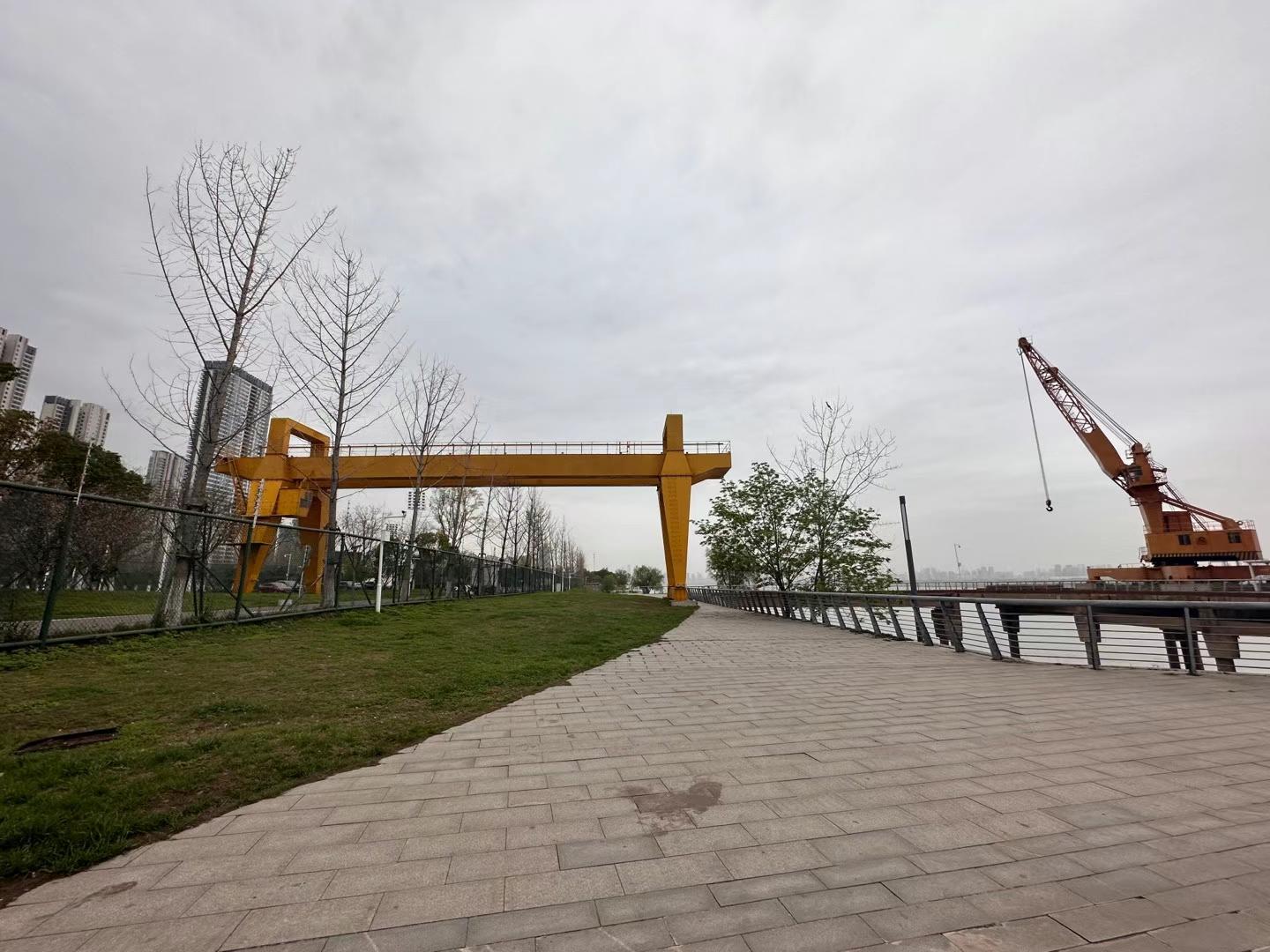
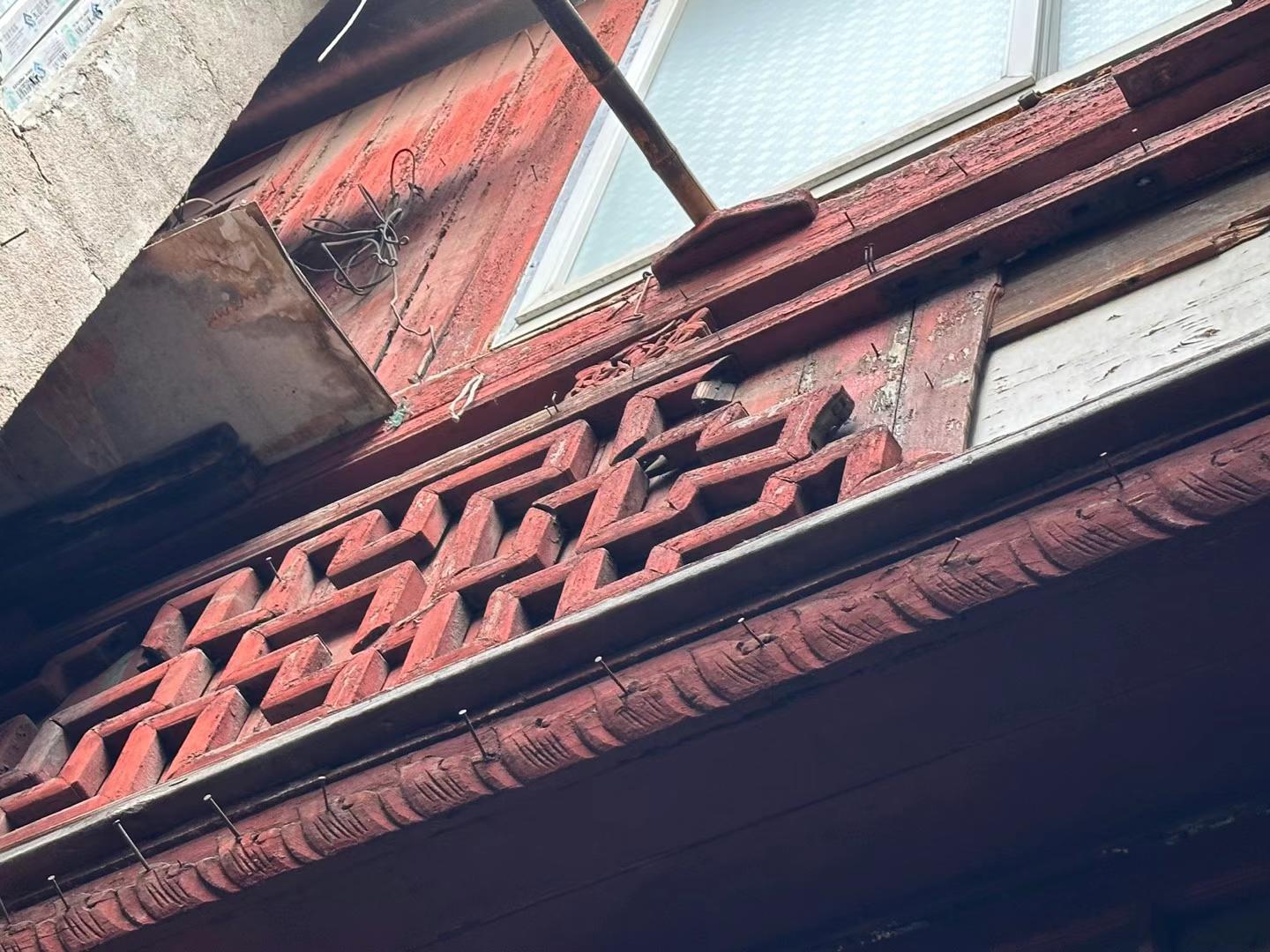
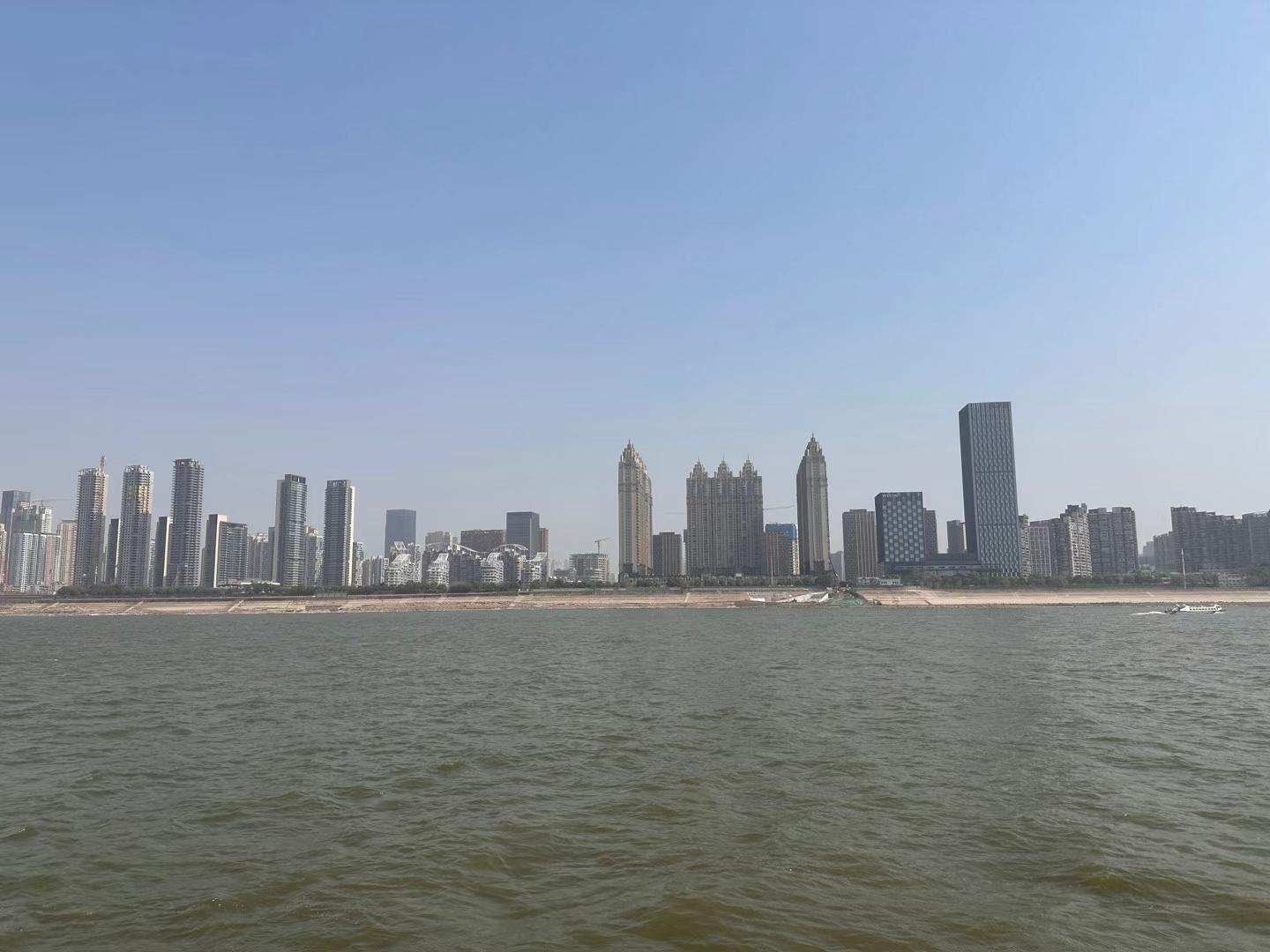
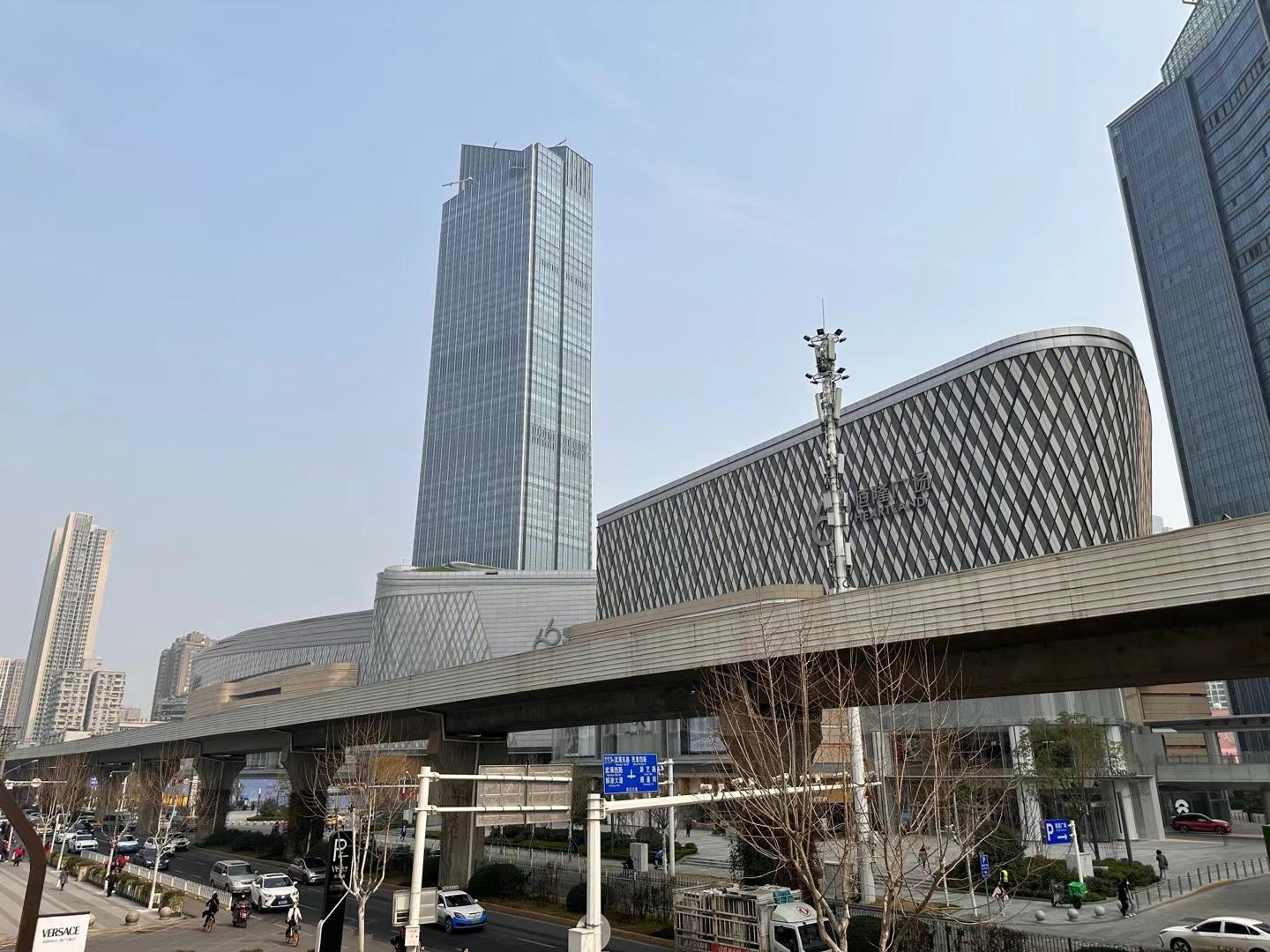
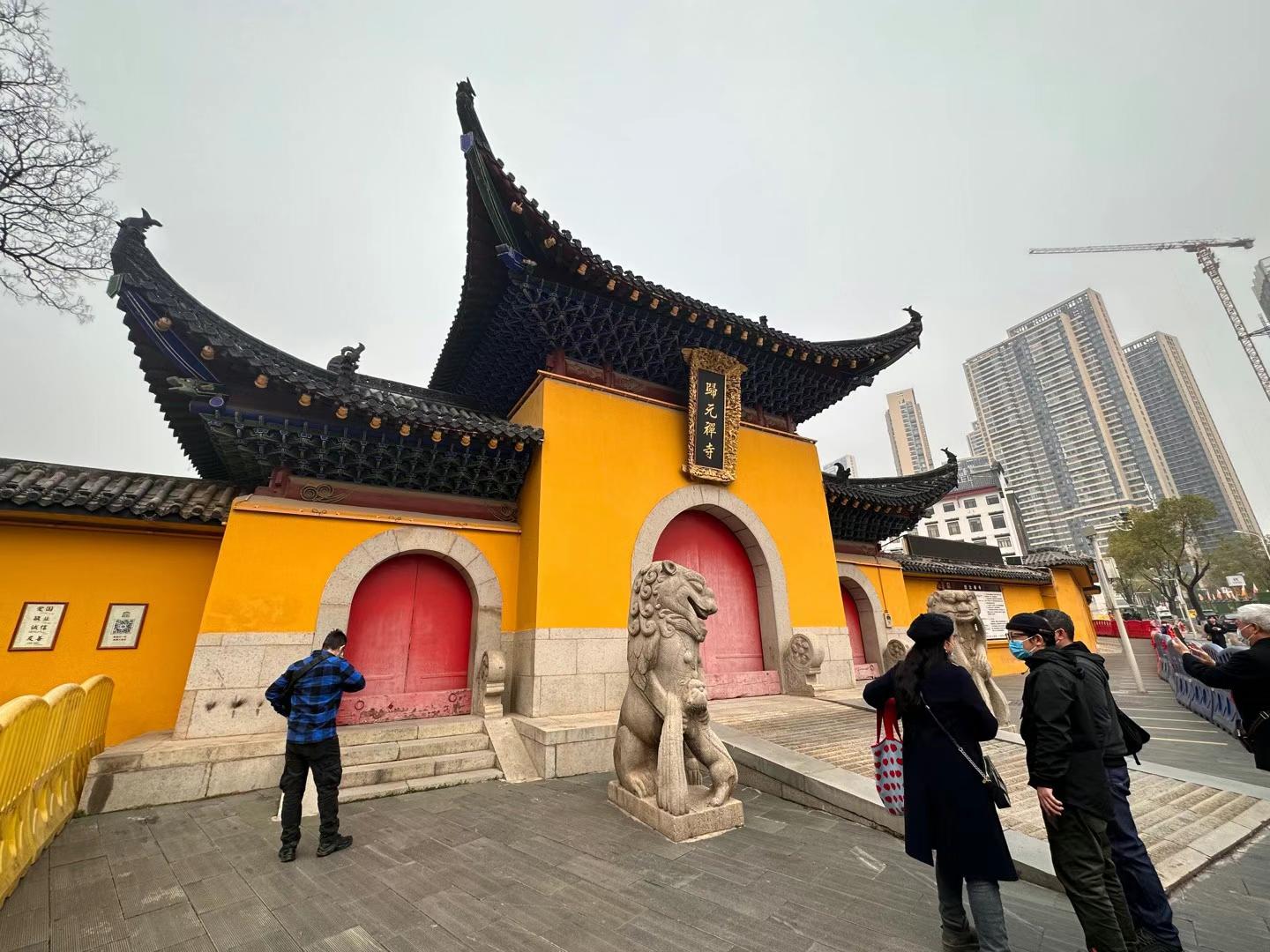
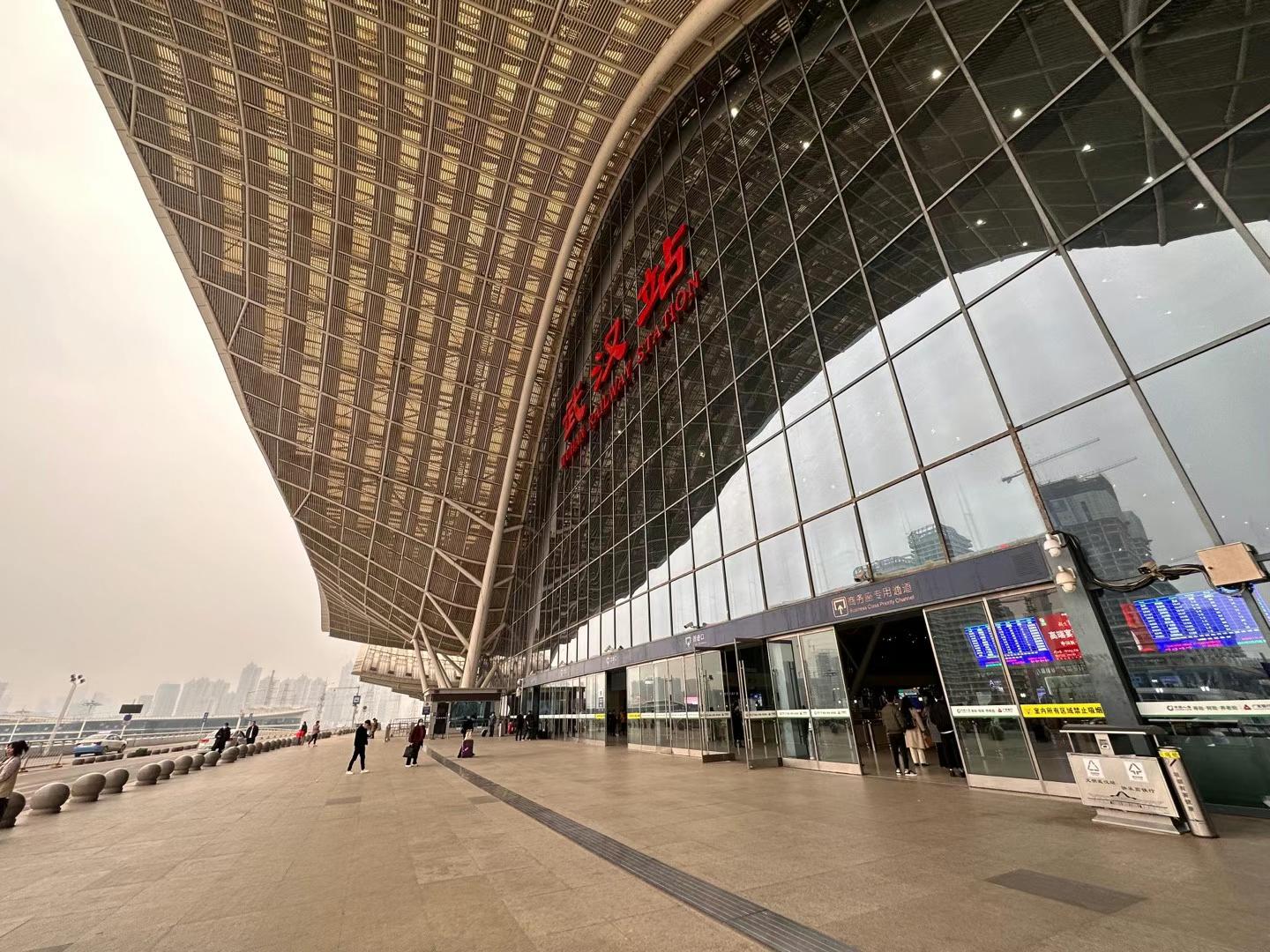
The Great Tea Road covers China’s eight provinces and region, including Hubei, Fujian, Jiangxi, Hunan, Henan, Shanxi, Hebei and Inner Mongolia. Wuhan, capital of central China’s Hubei Province, was the largest trading hub along the tea road, praised as the “Oriental Tea Port”. And Wuhan’s Jianghan Custom House Supervisory Bureau of the Qing Dynasty, Hankow Russian Businessmen Building Groups and Hankow Dazhimen Railway Station were included in the world heritage declaration sites.
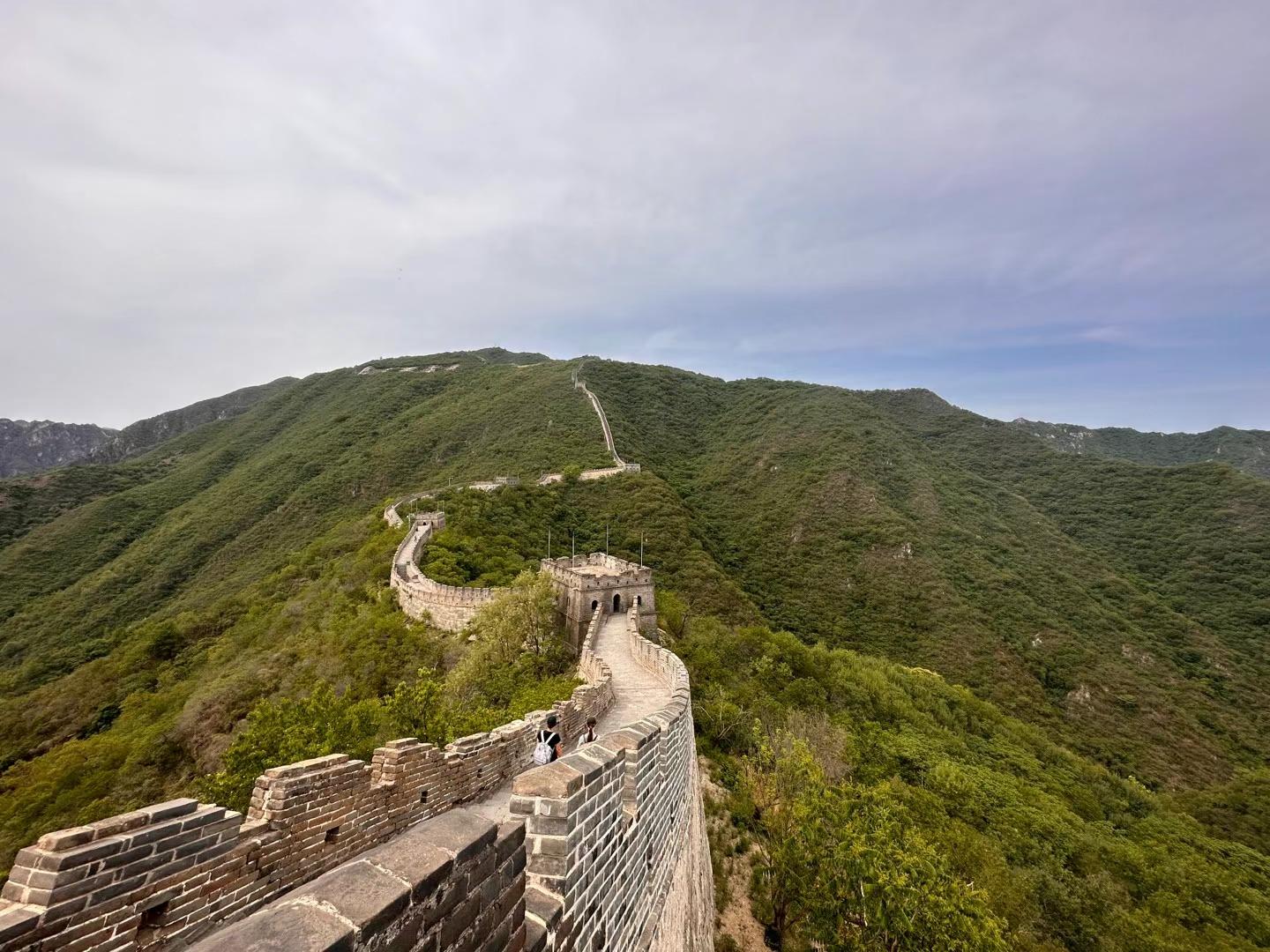
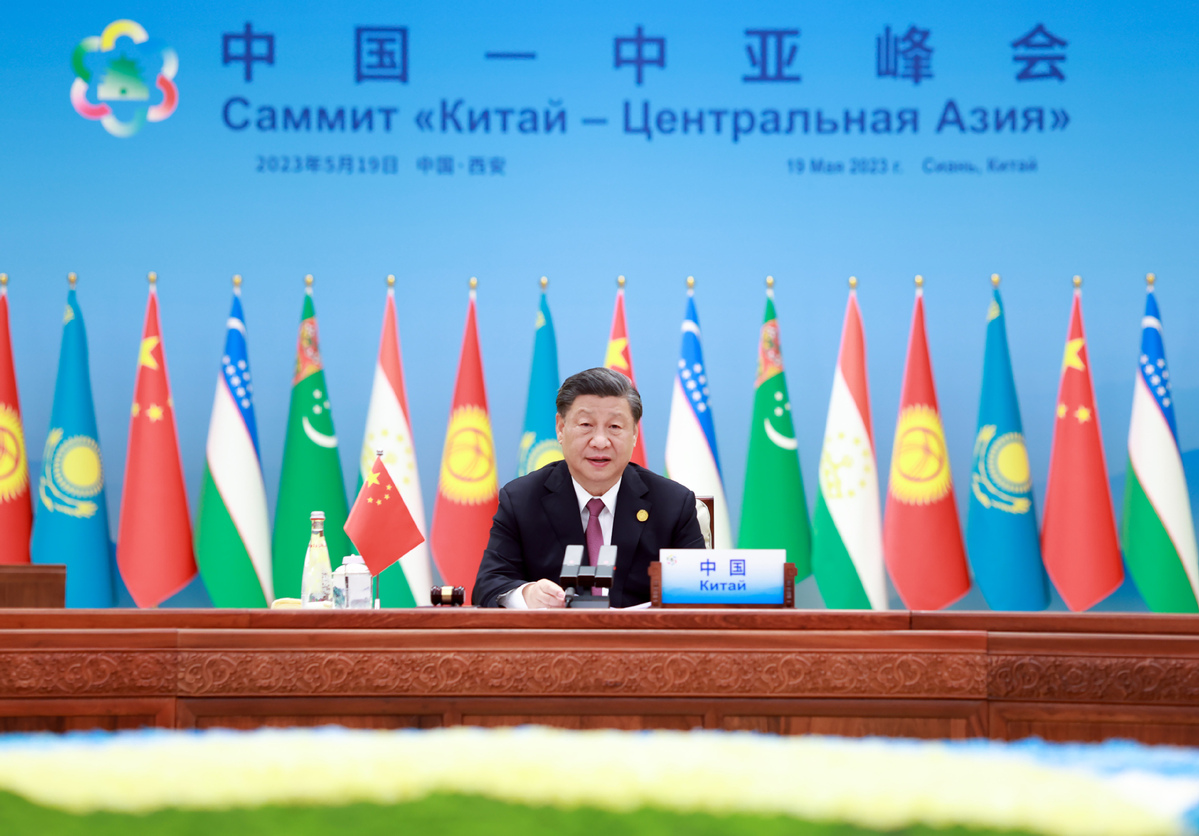
Starting from the Great Wall of China, the Great Tea Road once wove its way to Europe via Mongolia and Russia from the 17th century to the early 20th century,known as the longest land trade route in the history of mankind. At the 7th BRICS summit, Chinese President Xi Jinping, Russian President Vladimir Putin and President of Mongolia Tsakhiagiyn Elbegdorzh agreed to the new tourist route in a joint co-operation deal which highlighted the tea trade route from Beijing, across Mongolia, to the Siberian cities of Chita, Ulan-Ude and finally Irkutsk, a distance of more than 3,000 km.”
http://en.hubei.gov.cn/news/newslist/201903/t20190321_1436869.shtml
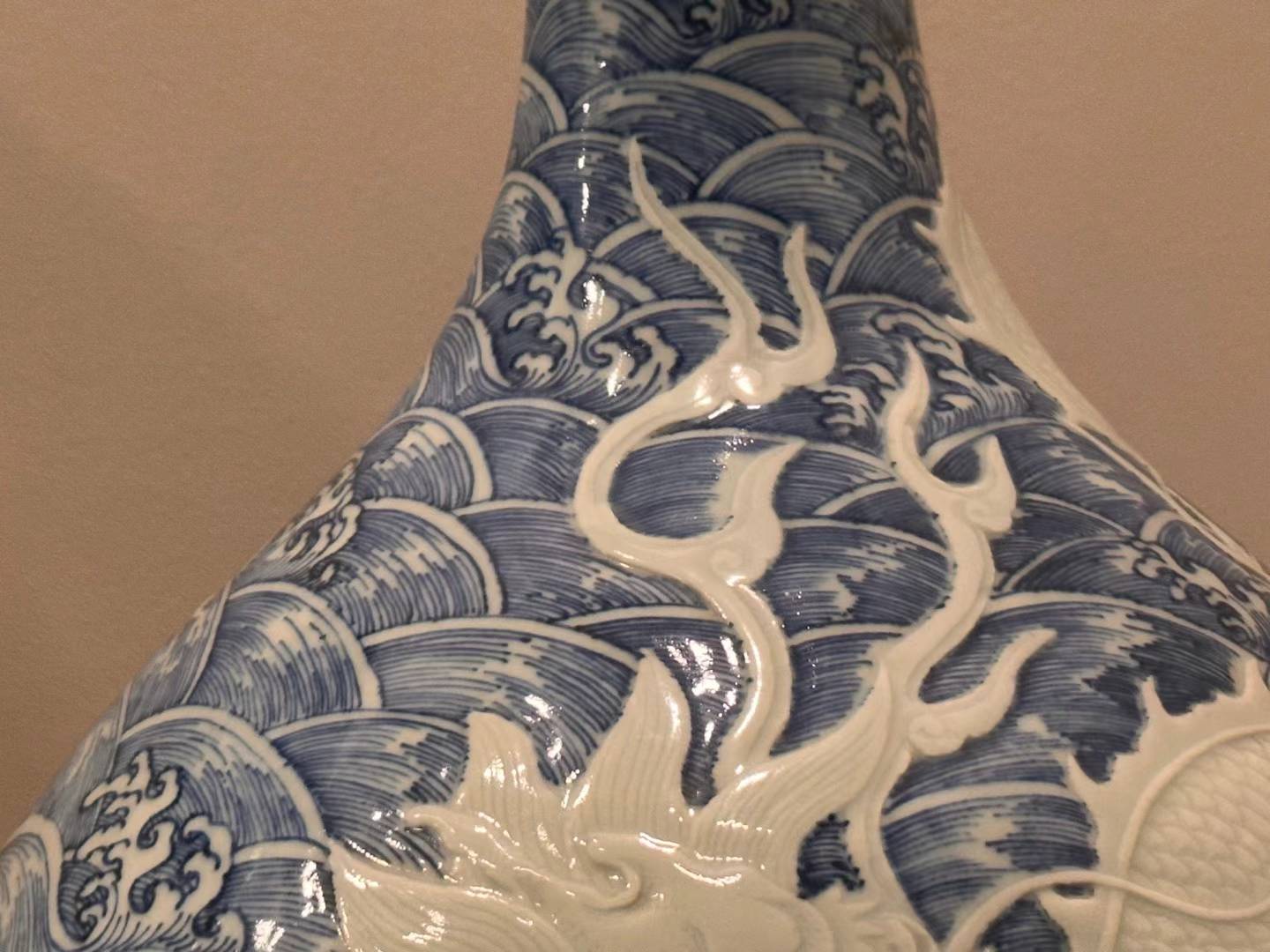
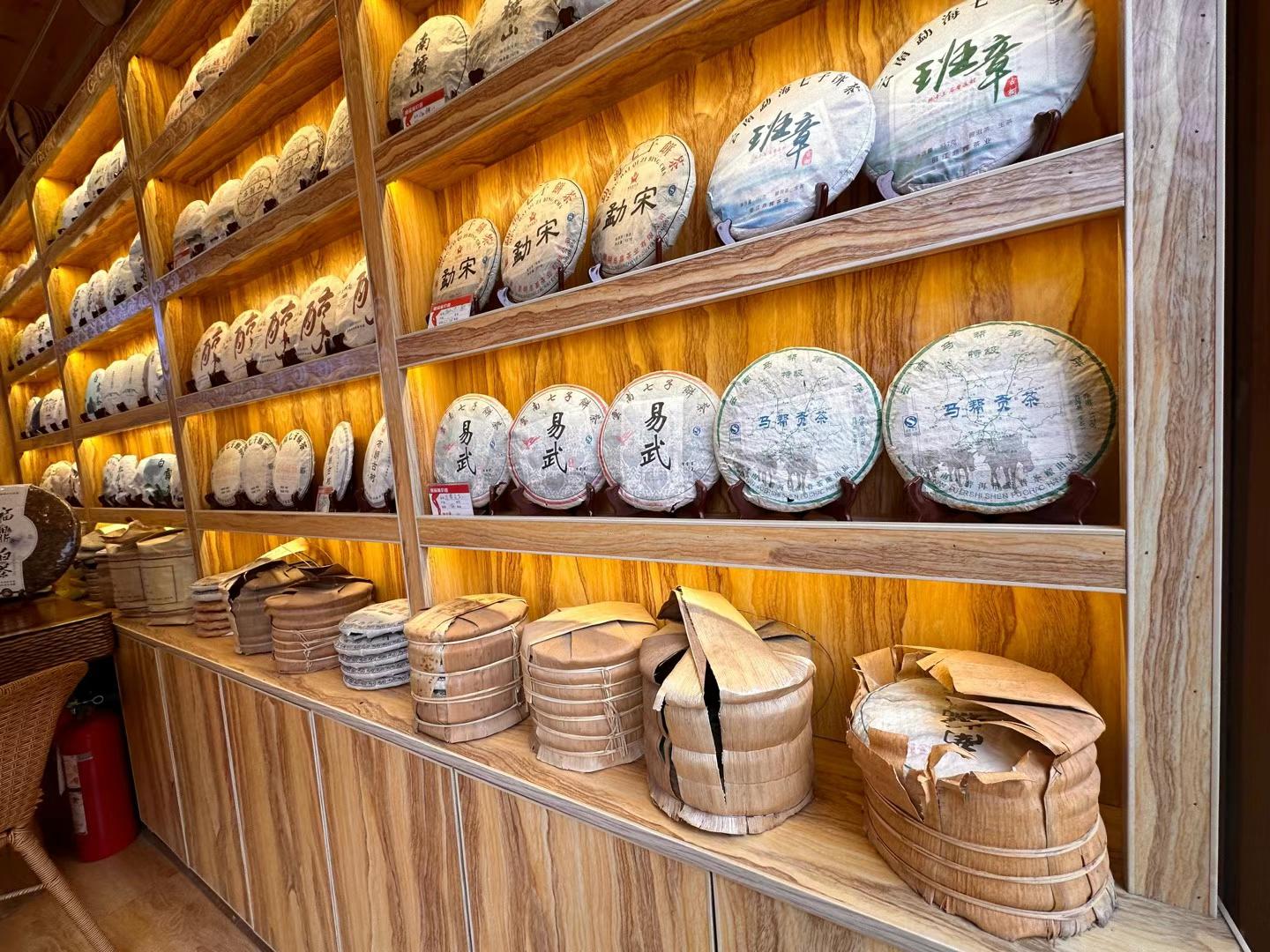
“The Russians sold furs, textiles, clothing, hides, leather, hardware and cattle, while the Chinese sold silk, cotton stuffs, teas, fruits, porcelain, rice, candles, rhubarb, ginger and musk.”
https://siberiantimes.com/other/others/news/n0312-new-tourist-route-follows-the-great-tea-road/
“The Great Tea Road (Wanli chadao) is a 13,000 km trade route that for two centuries connected Qing China and Tsarist Russia.”