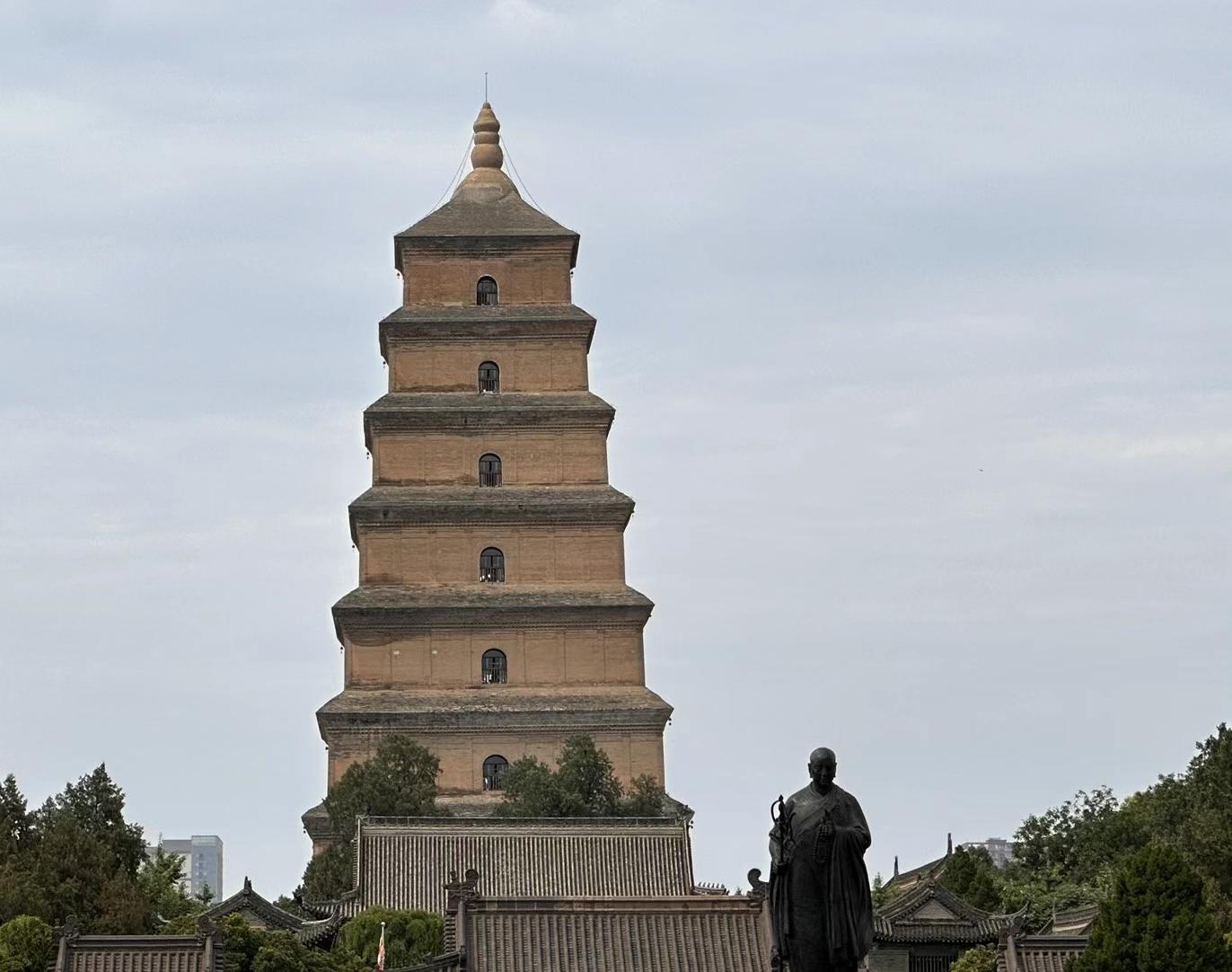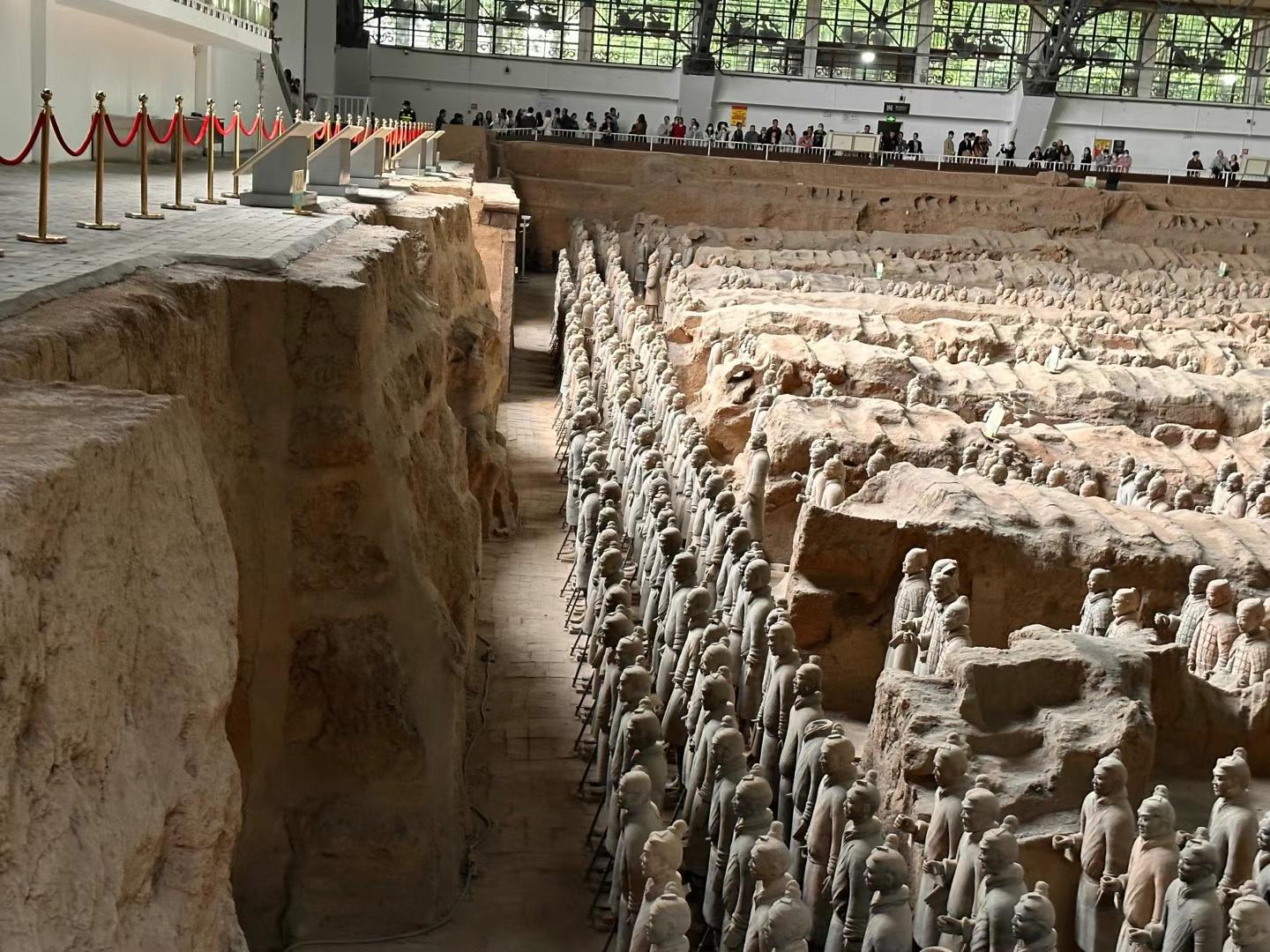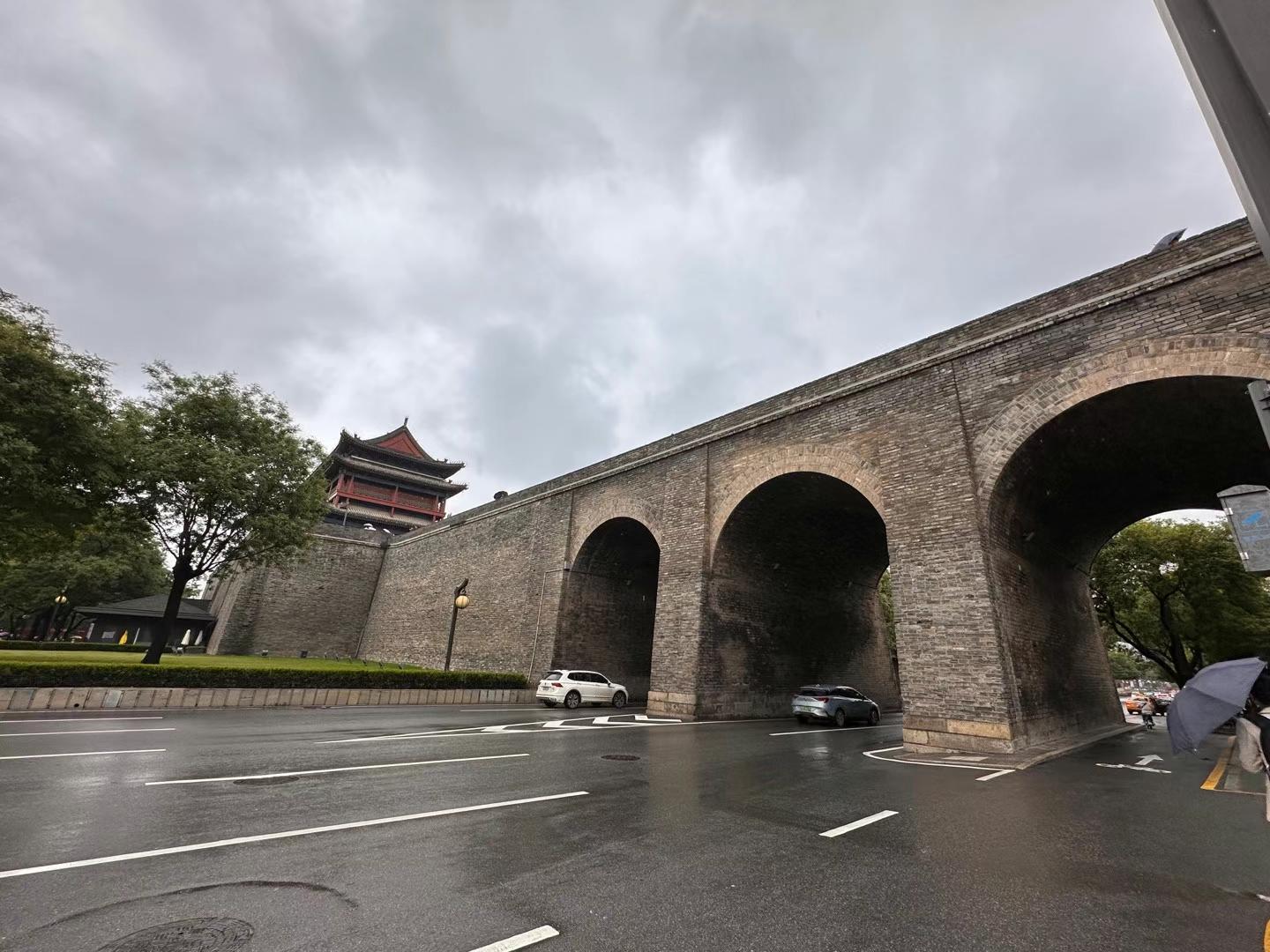
Since the Han Dynasty (2000 years ago)
“Over 2,000 years ago, an envoy from China’s Han Dynasty traveled westward on a mission of peace and opened an overland route connecting the East and the West. Stretching thousands of miles and years, the ancient Silk Road, with its longest span straddling Central Asia, has embodied the spirit of cooperation, mutual learning and mutual benefit.
In September 2013, during a speech made at Nazarbayev University in Astana, Kazakhstan, Chinese President Xi Jinping first proposed to build a Silk Road Economic Belt, which together with the 21st Century Maritime Silk Road later evolved into the Belt and Road Initiative (BRI), aiming to build a trade and infrastructure network connecting Asia with Europe, Africa and beyond.
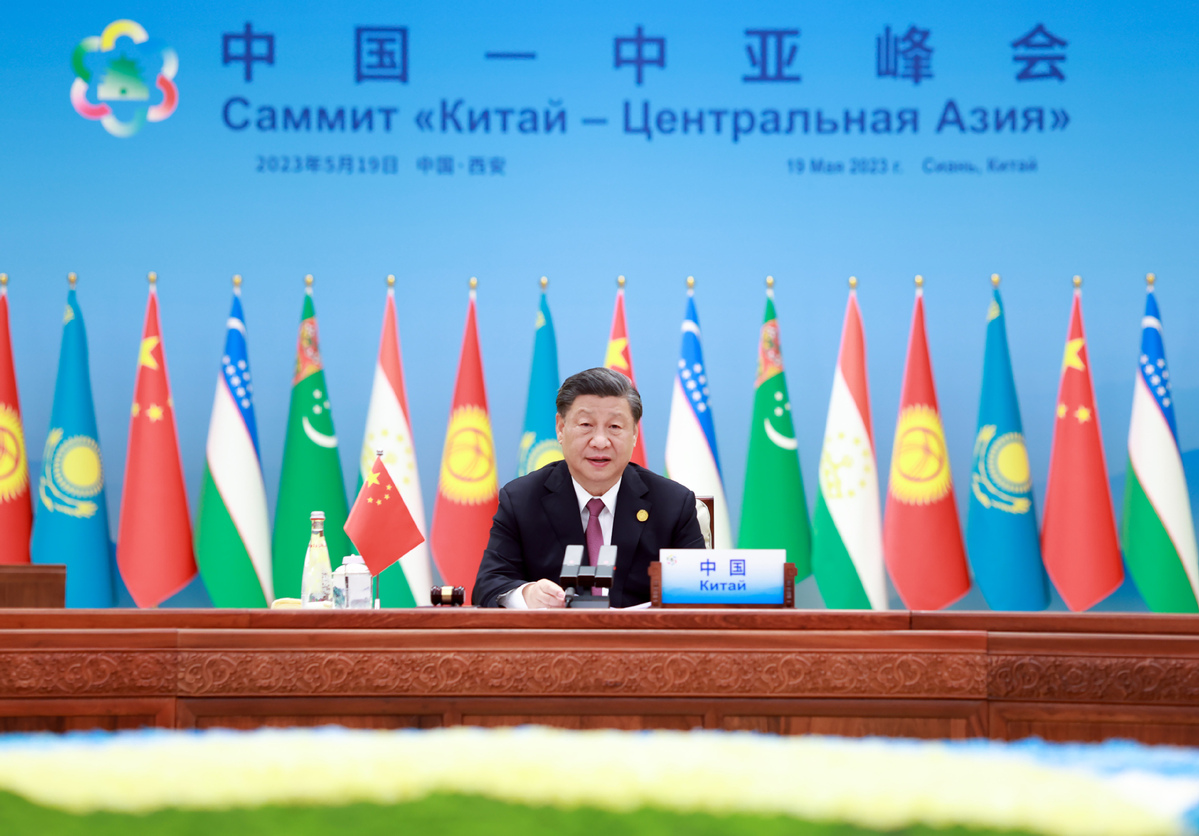
Since the BRI was put forward, China and five Central Asian countries – Kazakhstan, Kyrgyzstan, Tajikistan, Turkmenistan and Uzbekistan, have stepped up their cooperation for greater regional development and made a series of historic and groundbreaking achievements.
Soaring trade
China’s trade with five Central Asian countries surged 37.4 percent year on year in the first four months of 2023, the General Administration of Customs revealed on Tuesday.
In 2022, China’s trade with the five Central Asian countries totaled $70.2 billion, some 100 times the volume 30 years ago, said Chinese Commerce Minister Wang Wentao on April 18.
China’s imports of agricultural, energy and mineral products last year from the five Central Asian countries increased by more than 50 percent, while exports of mechanical and electronic products to them jumped by 42 percent, the minister said.
China’s direct investment stock in these countries reached about $15 billion by the end of 2022, he noted.
Dushanbe No. 2 thermal power station in Dushanbe, Tajikistan, October 9, 2018. /Xinhua
Dushanbe No. 2 thermal power station in Dushanbe, Tajikistan, October 9, 2018. /Xinhua
Tangible benefits
With a number of cooperation projects jointly implemented on oil, gas and mining, processing and manufacturing, connectivity and digital technology, tangible benefits have been brought to people of these countries.
For example, in 2011, the Tajik government and China’s Tebian Electric Apparatus Stock Co., Ltd. (TBEA) signed an agreement on the construction of the Dushanbe No. 2 thermal power plant, a combined heat and power station with a total installed capacity of 400 megawatts.
Officially launched in October 2012, the project is aimed at resolving Tajik’s shortage of power supply in winter and adjusting its national power supply structure.
Completed in 2016, the station restored central heating to Dushanbe residents after a 15-year hiatus.
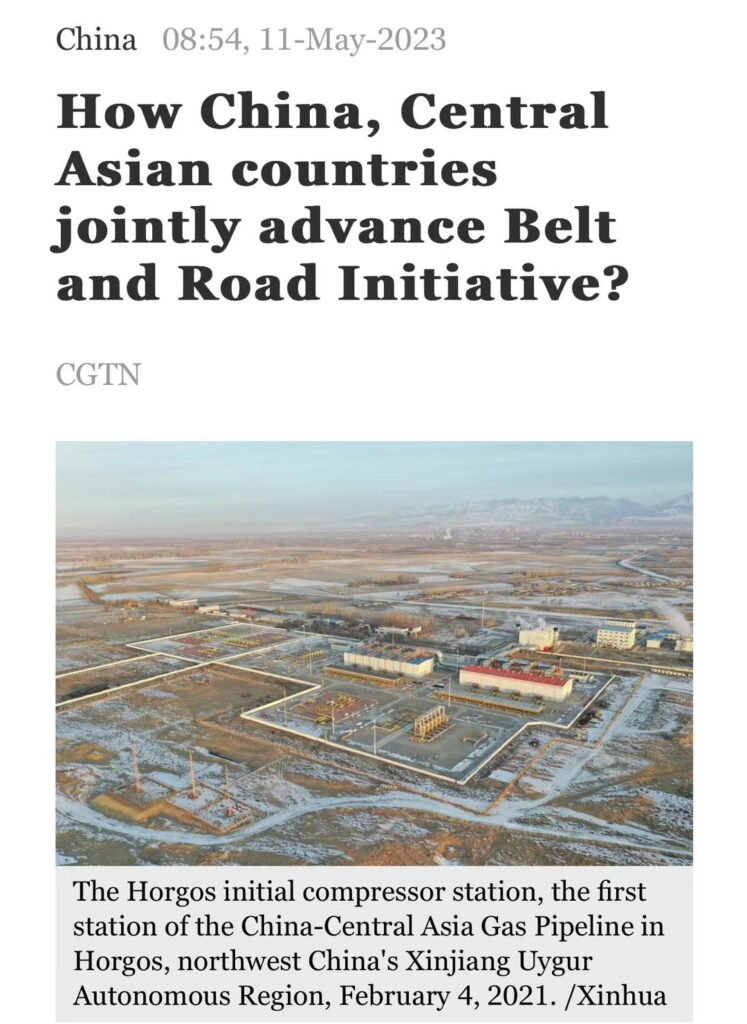
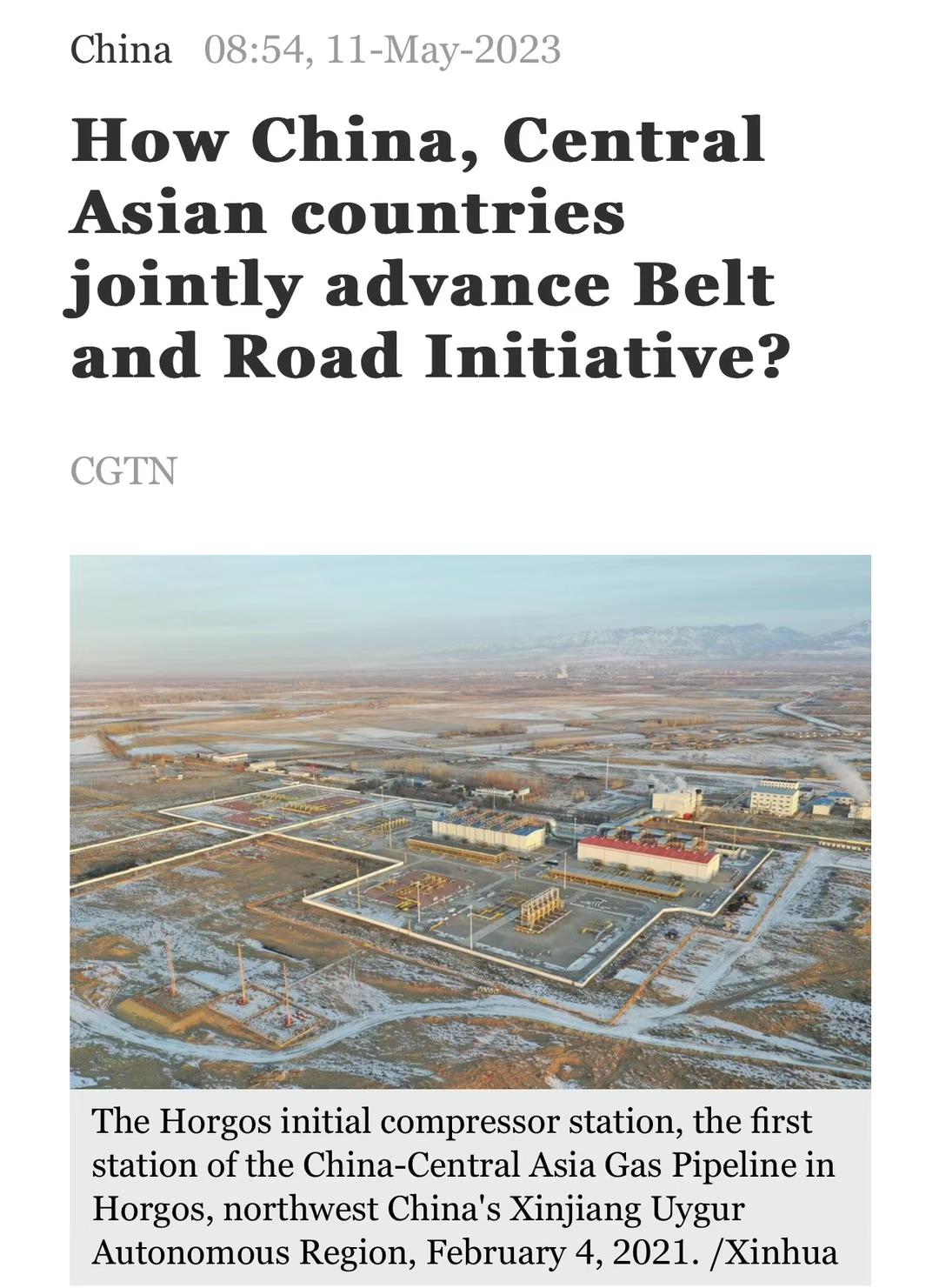
Another example is China’s first transnational gas pipeline, the China-Central Asia Gas Pipeline, which supplied 43.2 billion cubic meters of natural gas to China last year, according to PipeChina West Pipeline Company.
Currently, the pipeline transports nearly 100 million cubic meters of natural gas per day. By the end of 2022, it had delivered a total of 423.2 billion cubic meters of natural gas to China since its operation in 2009.”